Daily Read
Choose your next discovery.
Browse by topic or search for a reading skill. Most are nonfiction explainers, with original short stories and Canada & community readings mixed in.
How Does a Bill Become a Law in Canada? Parliament's Steps
Follow a bill through Parliament from first reading to Royal Assent, compare the House of Commons with the Senate, and explain who does what at each step.
Skill: Compare and contrast two groups (House of Commons and Senate), and put the steps of a process in orderShort Story: The Deep End
An original story about a swim test. Tell the topic from the theme, state the message in a full sentence and find the evidence for it.
Skill: Tell a story's topic from its theme, state the theme as a message in your own words, and support it with evidence from what the characters say and doHow Does a Wedge Work? Two Ramps Back to Back
A wedge is two ramps back to back. Use a labelled diagram to see how it turns a downward push into a sideways split, and why a thinner wedge needs less force.
Skill: Use a labelled diagram together with the text to explain that a wedge is two inclined planes back to back, that it turns a push in one direction into pushes in another, and to compare a thin, long wedge with a thick, short one to predict which needs less push and which must travel fartherHow Do Canadian Postal Codes Work? Reading the Letters and Digits
Learn what the six characters of a Canadian postal code mean, which first letters belong to Ontario, and what a zero in the middle tells you.
Skill: Read a code as a system: find the main idea, sort details by position, and use the rules to decode an exampleShort Story: Who Cleared the Walk on Birch Court?
An original story about a snowy morning mystery. Collect the clues, use what you know, and infer who cleared a neighbour's walk.
Skill: Make inferences by combining clues in the story with what you already know, and explain which clues support your conclusion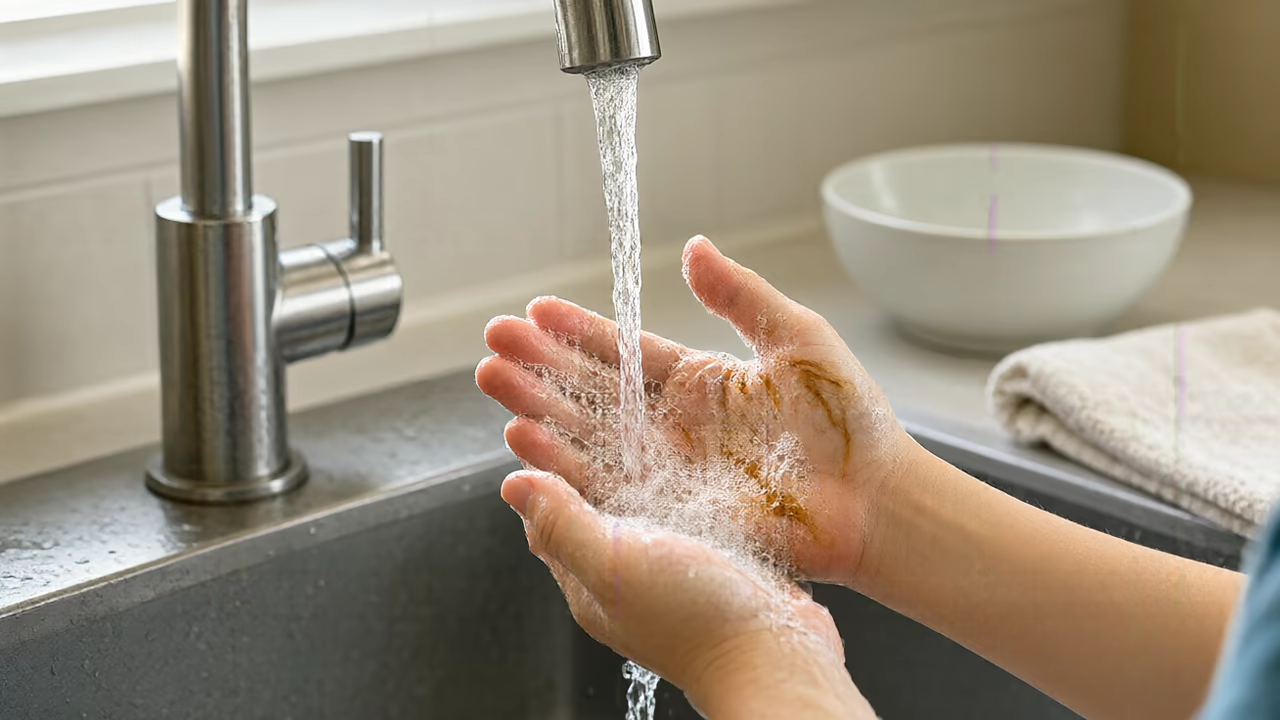
How Does Soap Clean? Grease, Water and the Two-Ended Molecule
Why does water alone leave greasy hands greasy? Use a labelled diagram to follow how soap lifts grease and germs away, and why 20 seconds of rubbing matters.
Skill: Use a labelled diagram together with the text to put the steps of how soap lifts grease in order, explain why water alone does not wash grease away, and match each hand-washing step to the job it does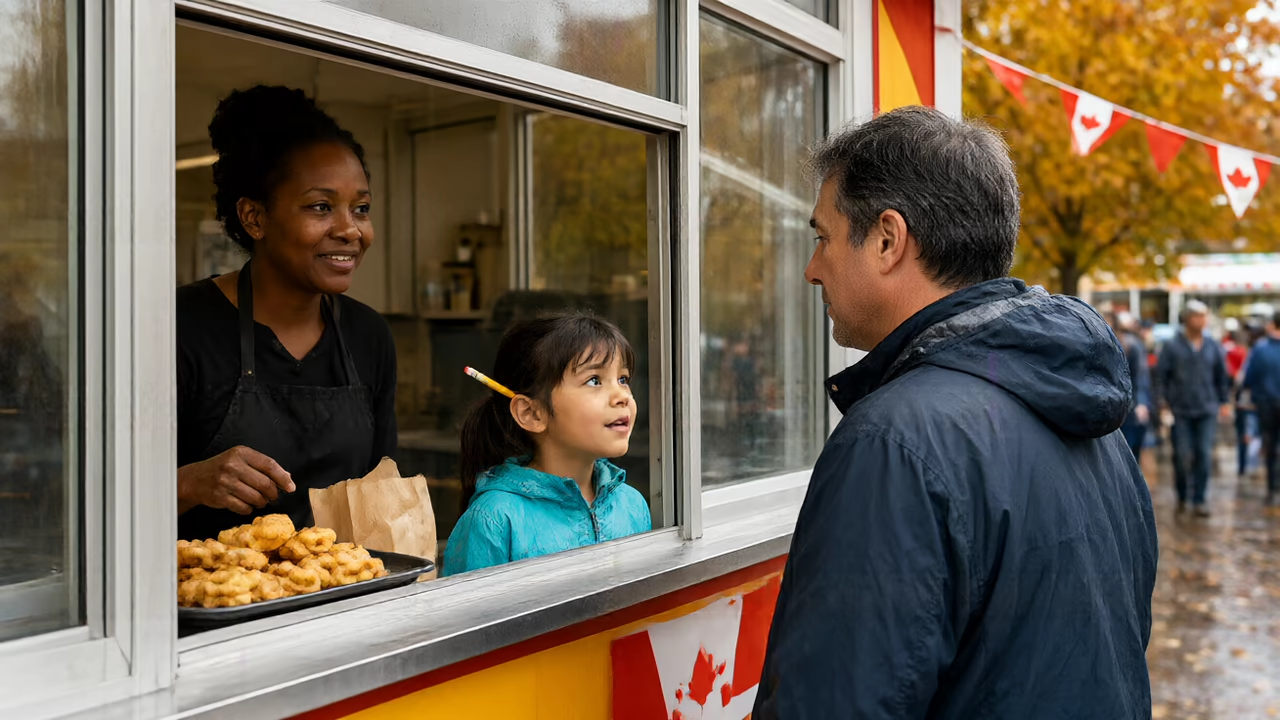
Short Story: Two Orders at One Window
An original story set at a busy fritter stand at a fall fair. Follow who is speaking, read the tone, and explain what the dialogue shows.
Skill: Read dialogue and speaker tags to tell who is speaking, explain what the words and tags show about a character's feelings, and notice how a character's tone changes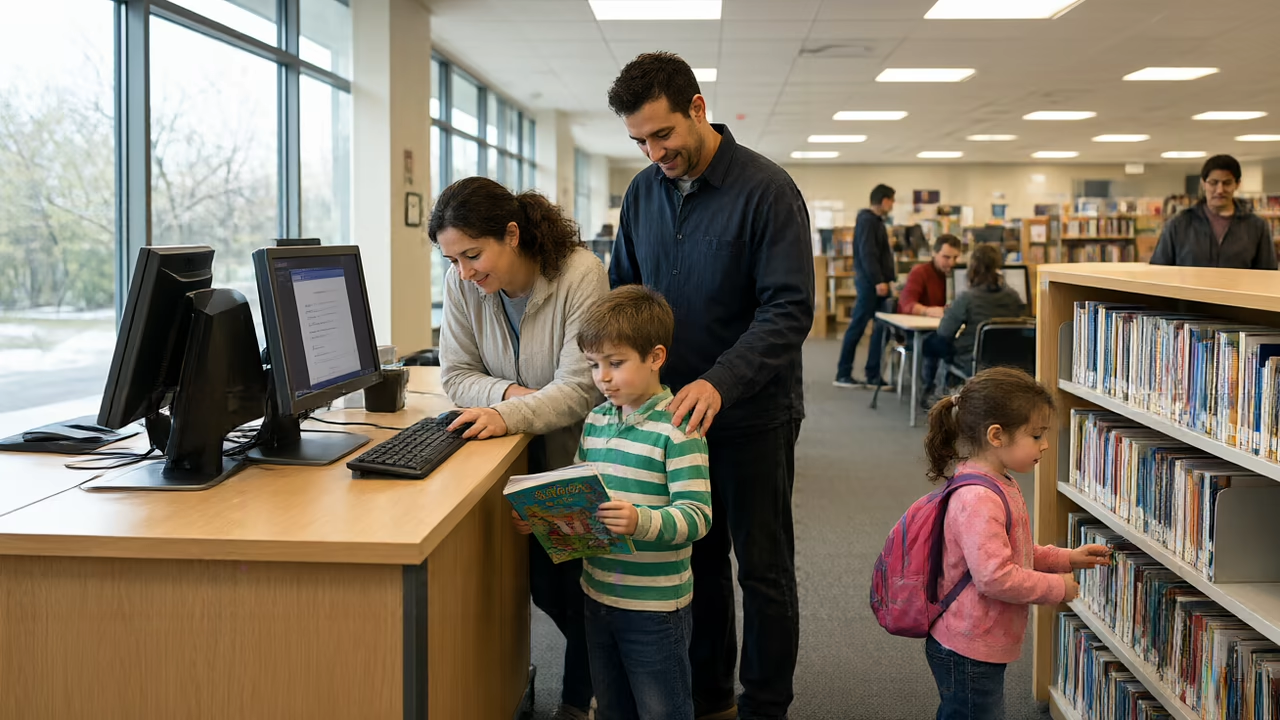
What Can You Do at a Public Library? Free Services in Ontario
Libraries lend far more than books. Learn what Ontario public libraries offer, why borrowing is free, and who manages them for the community.
Skill: Sort details by category and explain how a community service is organized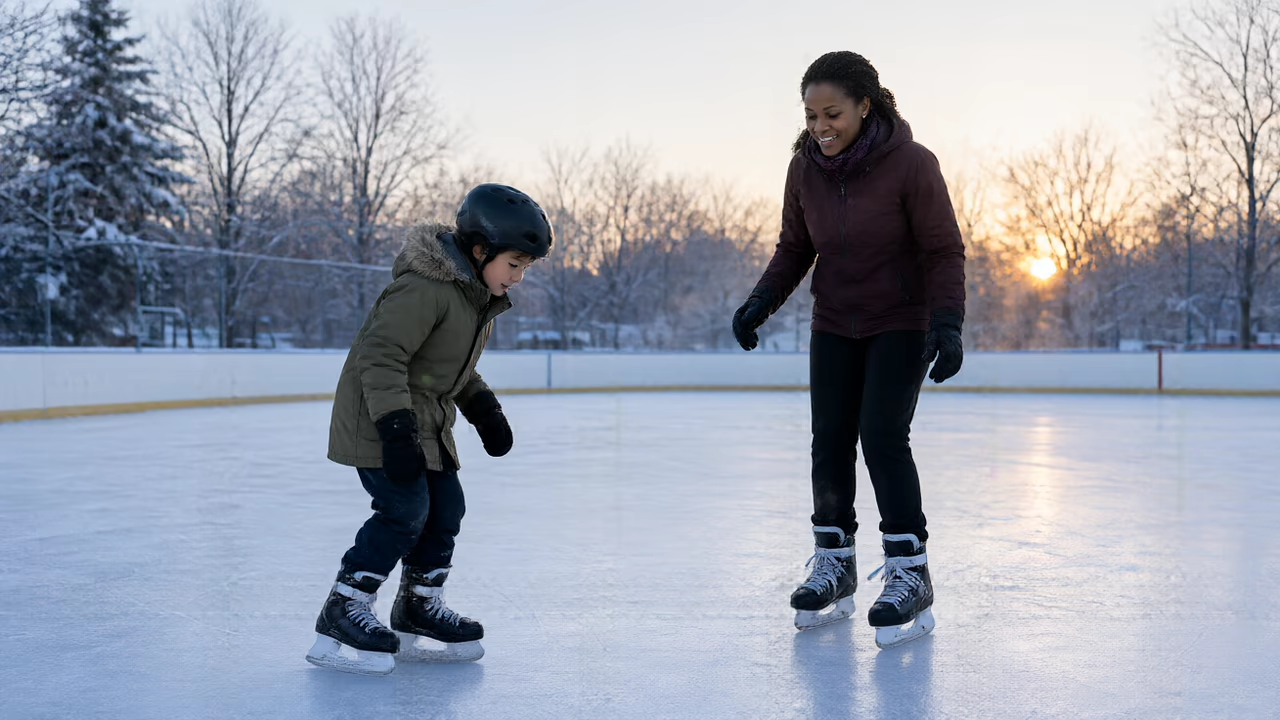
Short Story: The Rink Before Sunrise
An original story set at a frozen community rink at dawn. Spot the similes, metaphors and personification, then explain what each one makes you see and feel.
Skill: Find similes, metaphors and personification in a story, explain what each one compares, tell literal meaning from figurative meaning, and explain how figurative language helps a reader picture a scene and feel a character's fear
What Happens When You Call 9-1-1? How Emergency Calls Work
9-1-1 is Canada's emergency number. Follow a call from your phone to a call centre, learn what the call-taker asks and why staying on the line helps.
Skill: Put the steps of a 9-1-1 call in order, use numbers and facts from several sources, tell when to call 9-1-1 and when another number is better, and notice when two sources describe a topic slightly differently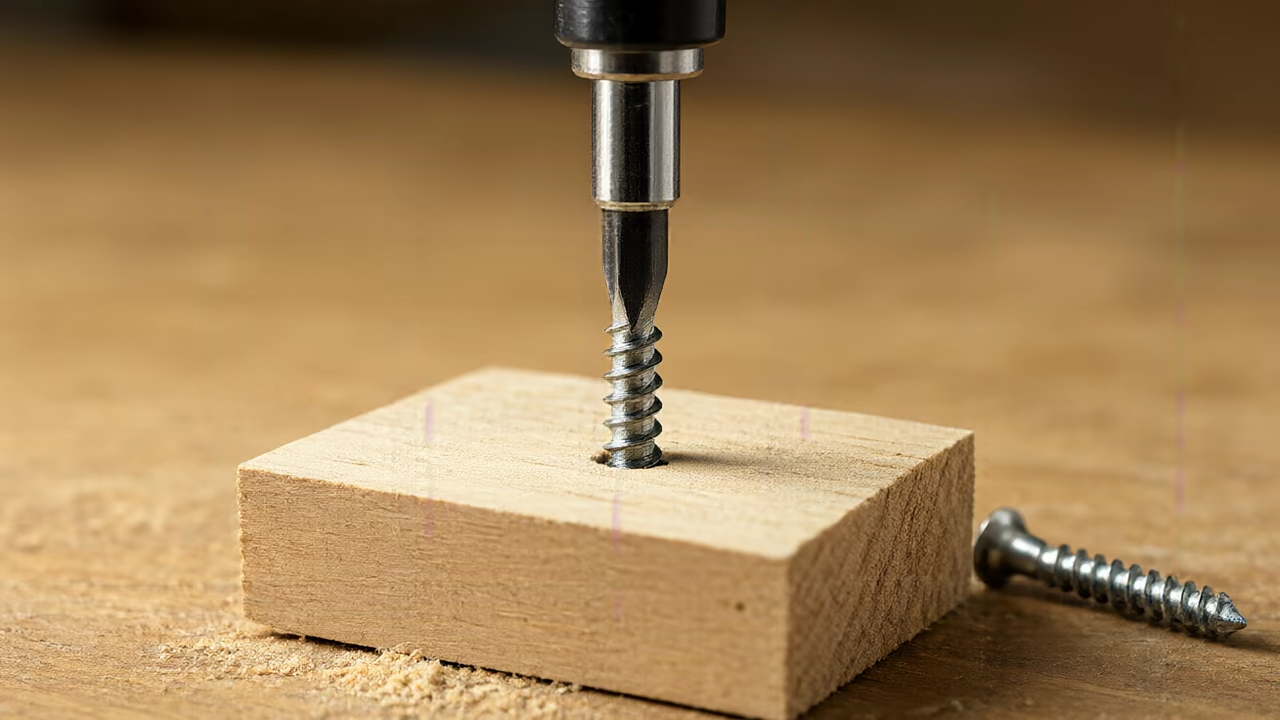
How Does a Screw Work? A Ramp Wrapped Around a Rod
A screw is a ramp wrapped around a rod. Use a labelled diagram to learn what pitch means and why a screw needs many turns but only a small push.
Skill: Use a labelled diagram together with the text to explain that a screw's thread is a ramp wrapped around a rod, define pitch, and compare screws with different pitches to predict which needs a smaller push and which needs more turns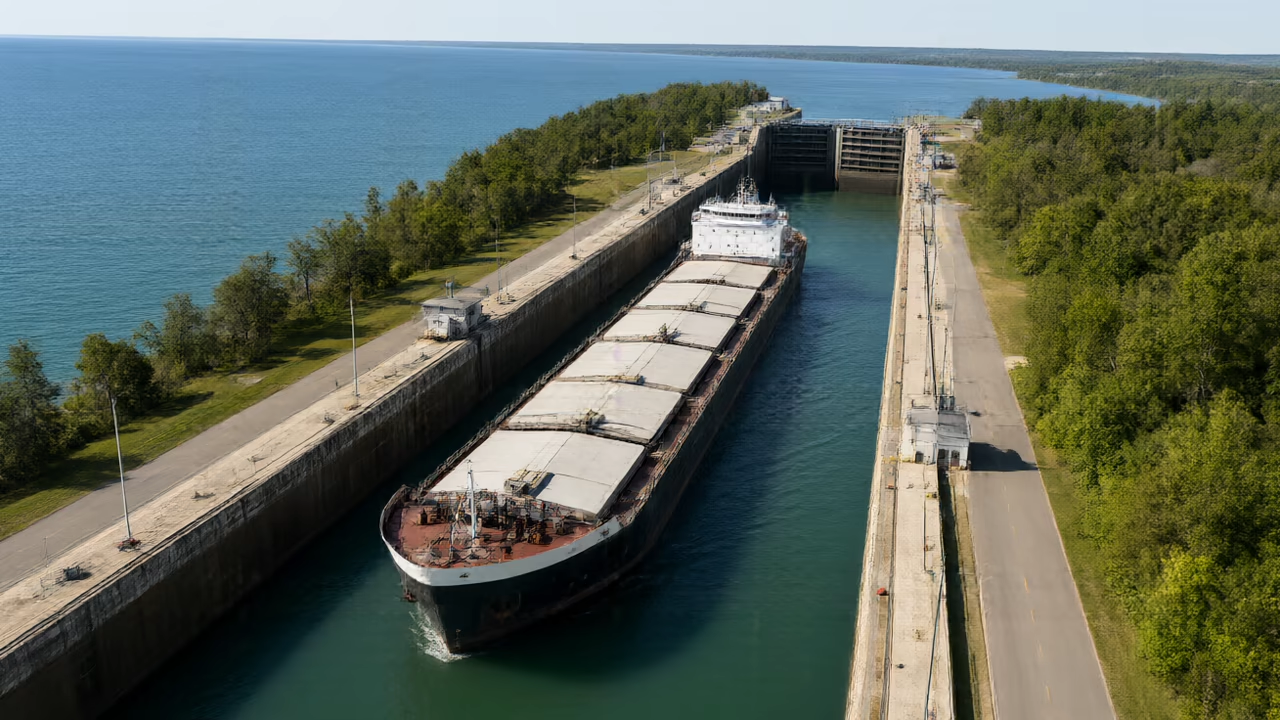
How Do Ships Get Past Niagara Falls? The Welland Canal
Lake Erie sits almost 100 metres higher than Lake Ontario. Learn how eight locks on the Welland Canal lift ships around Niagara Falls.
Skill: Explain why ships need the Welland Canal to travel between Lake Erie and Lake Ontario, use numbers from the text (length, locks, height) to describe the canal, and put the four canals in time order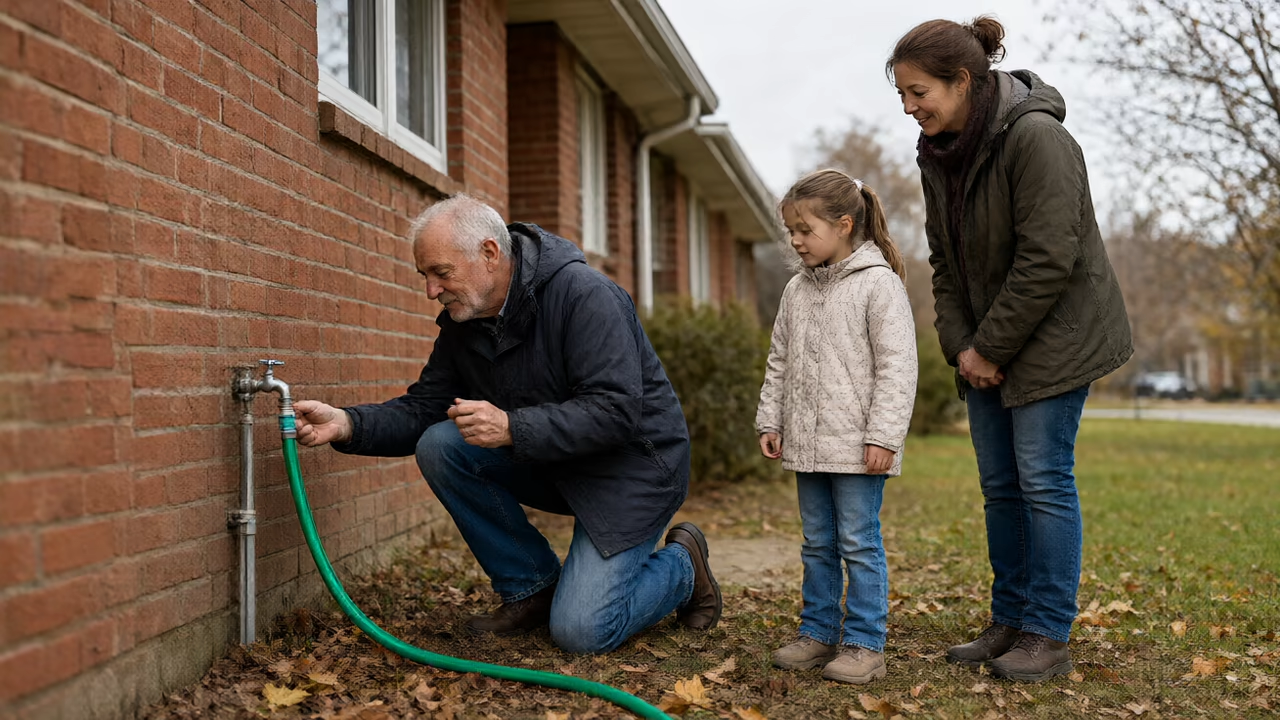
Short Story: The Tap That Wouldn't Turn
An original story told by a girl who thinks her neighbour is grumpy. Find the narrator's clues, then decide what she got wrong and why.
Skill: Identify a first-person narrator, tell what the narrator knows and thinks from what other characters might know or feel, and explain how a narrator's first impression can be wrong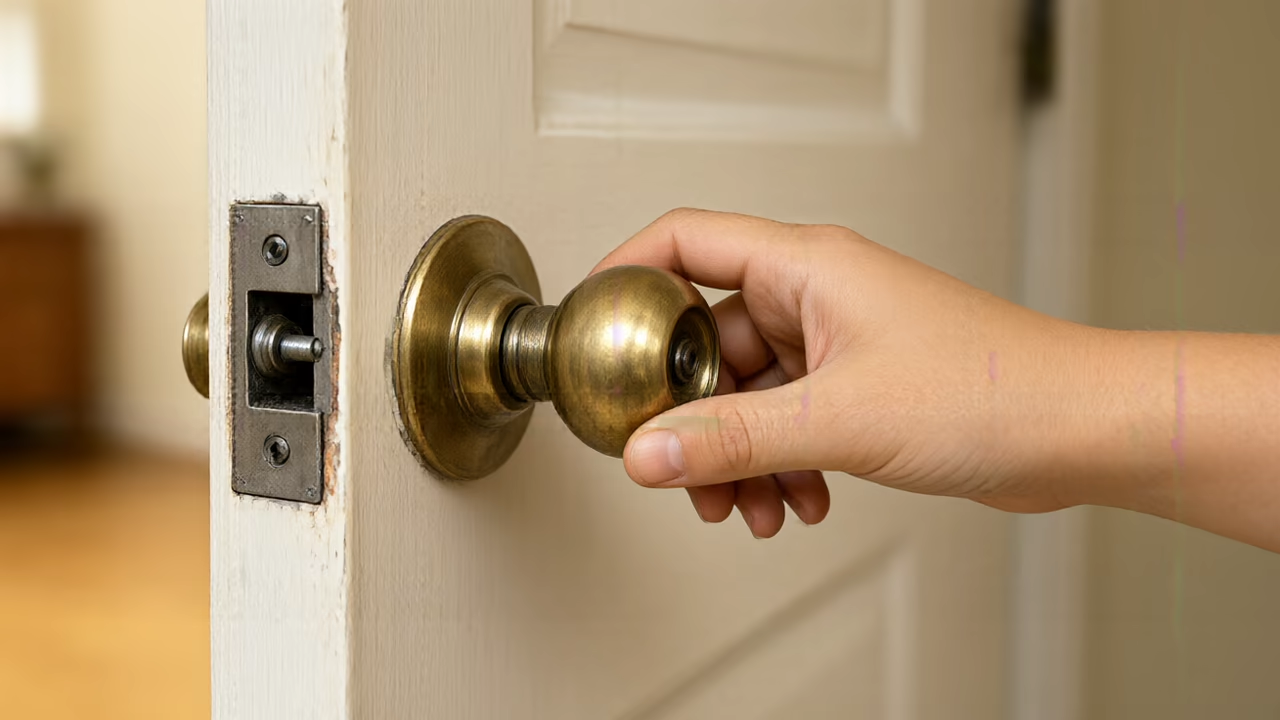
How Does a Wheel and Axle Work? Big Circle, Small Circle
Doorknobs, screwdrivers and old well cranks are wheels and axles. Learn why turning the big circle is easier, and what it costs in distance.
Skill: Explain how a wheel and axle lets a small turning force on a big wheel make a bigger force at the small axle, compare wheel and axle sizes, and tell a true wheel and axle from a wheel that simply spins on a fixed rod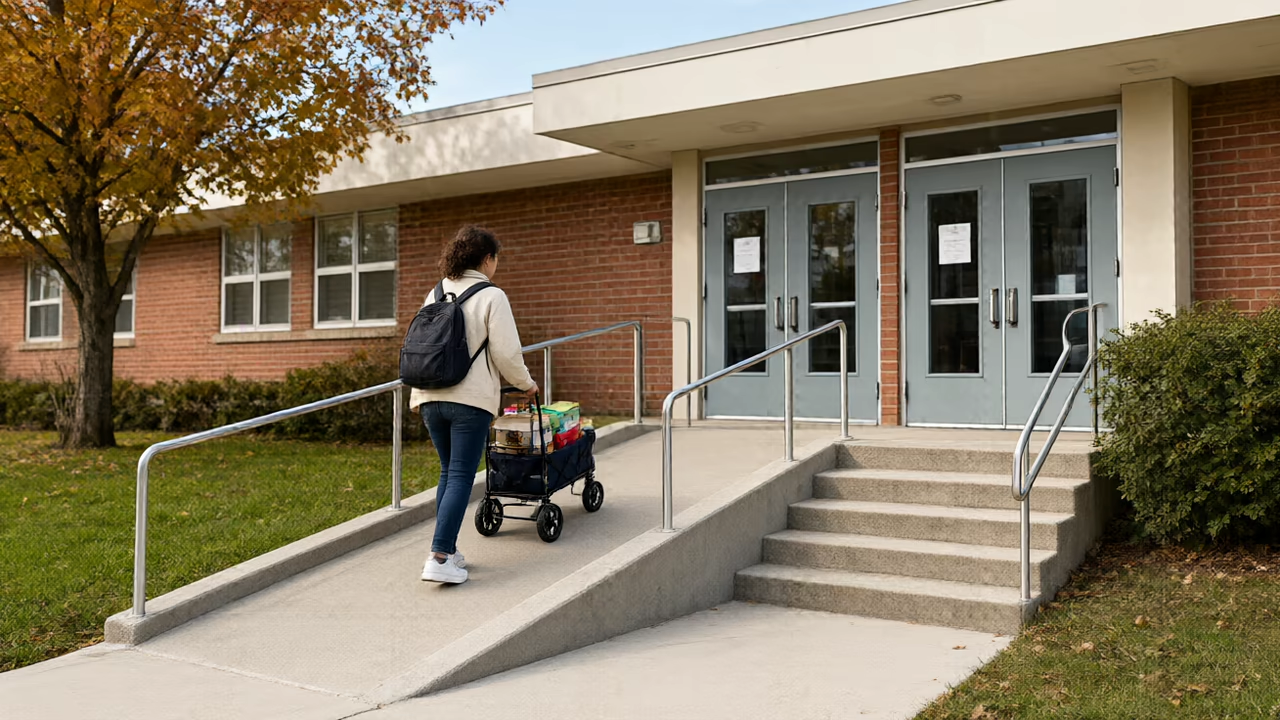
How Does a Ramp Work? The Inclined Plane and the Longer Path
Wheelchair ramps, loading ramps and even stairs are inclined planes. Compare steep and gentle ramps, then explain why a smaller push means a longer trip.
Skill: Explain how a ramp (inclined plane) lets you raise a load with a smaller push, why a gentler ramp needs less force but a longer trip, and how friction changes the ideal result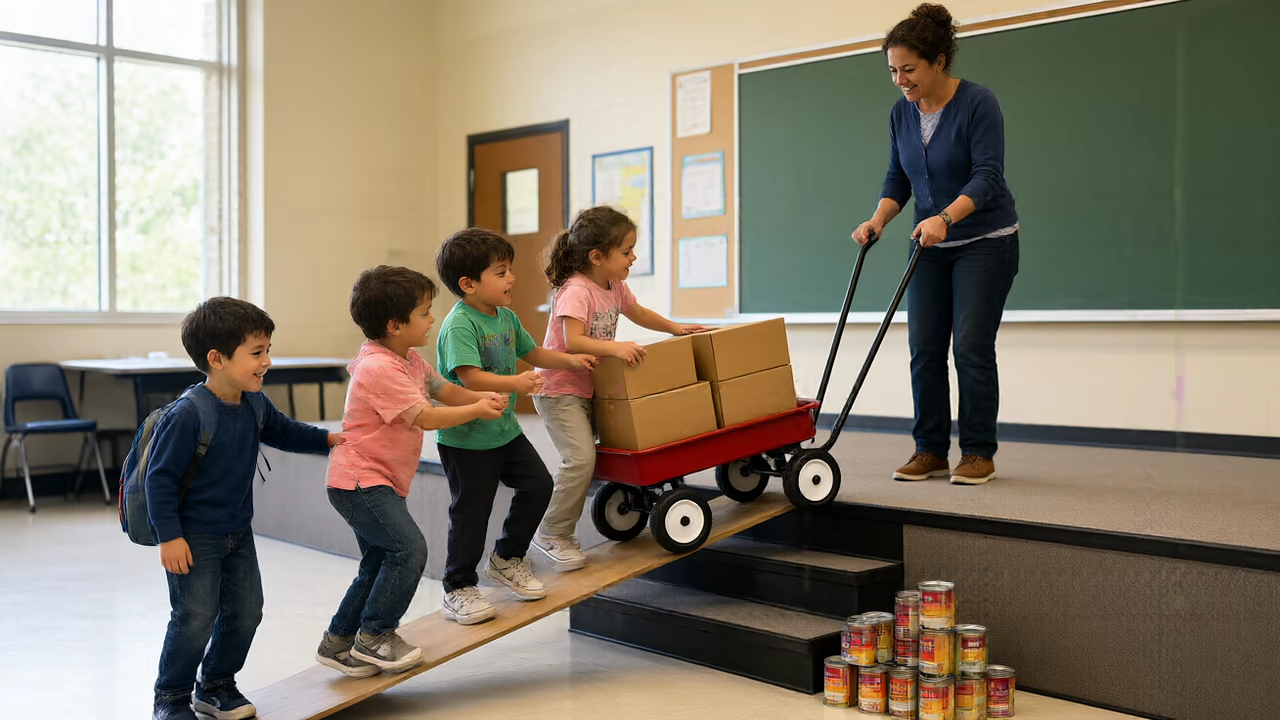
Short Story: Forty Cans and a Plank
An original story about a class food drive, a split box and a stage with three steps. Trace each cause and effect, then explain how the problem got solved.
Skill: Follow a chain of causes and effects in a story: find what made each event happen, connect events with because and so, and explain which cause led to the solution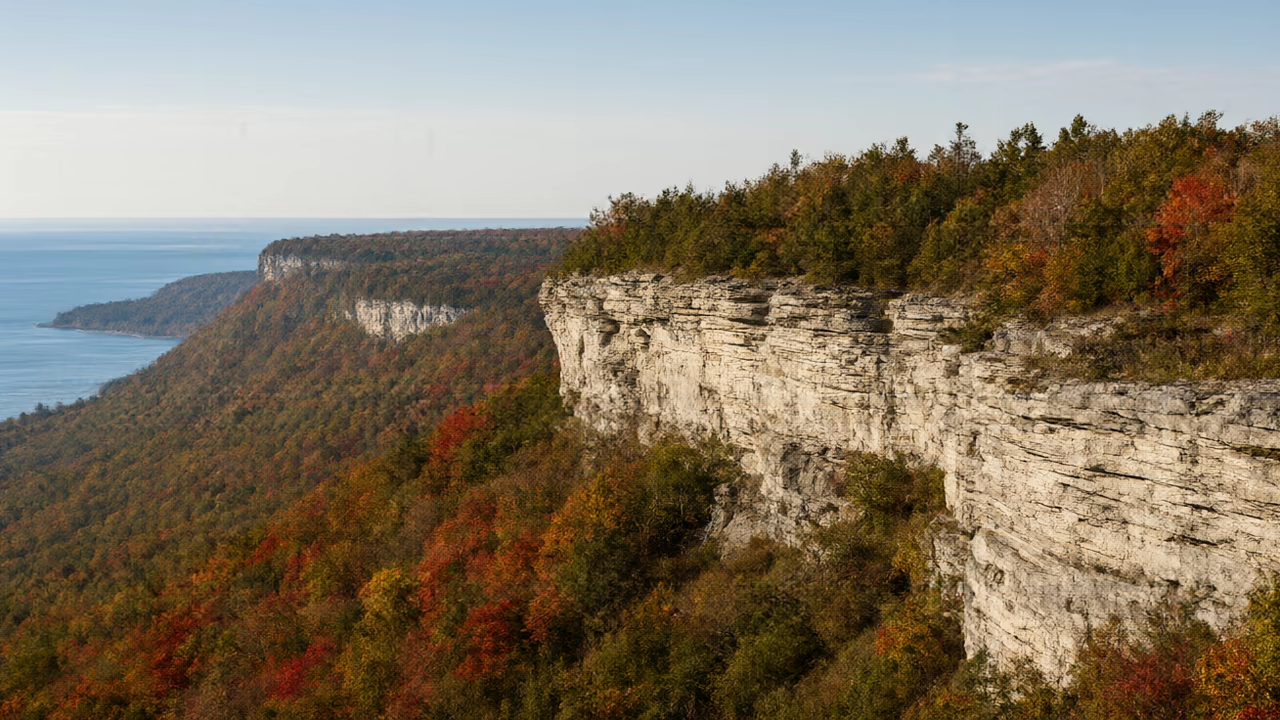
What Is the Niagara Escarpment? Ontario's Long Rocky Ridge
A rocky ridge runs 725 km from Niagara to the Bruce Peninsula. Learn how hard caprock and soft shale made its cliffs, and who cares for the land along it.
Skill: Explain how the Niagara Escarpment formed through erosion of hard and soft rock, locate where it runs in Ontario, and describe who lives on and cares for the land along it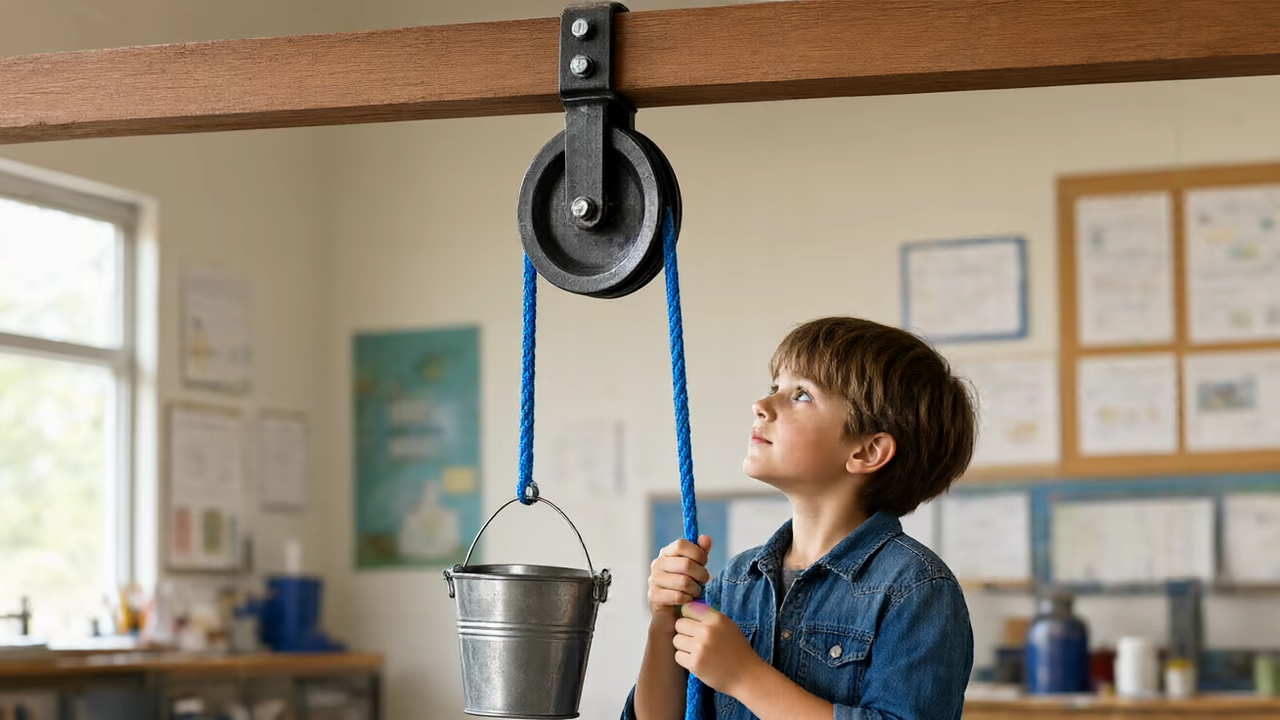
How Does a Pulley Work? Fixed, Movable and the Rope Trade-Off
A flagpole, window blinds and a crane all use pulleys. Compare fixed and movable pulleys, then explain why a smaller pull means pulling more rope.
Skill: Explain how a fixed pulley changes the direction of a pull, how a movable pulley shares the load between two rope sections, and why less force means pulling more rope
Short Story: The Buddy Bench
Original fiction. Jonah wants a buddy bench for his schoolyard, but there is no money. Read the story, then summarize it in five short parts.
Skill: Summarize a story with Somebody–Wanted–But–So–Then: pick the main character, goal, problem, key actions and ending, and leave out small details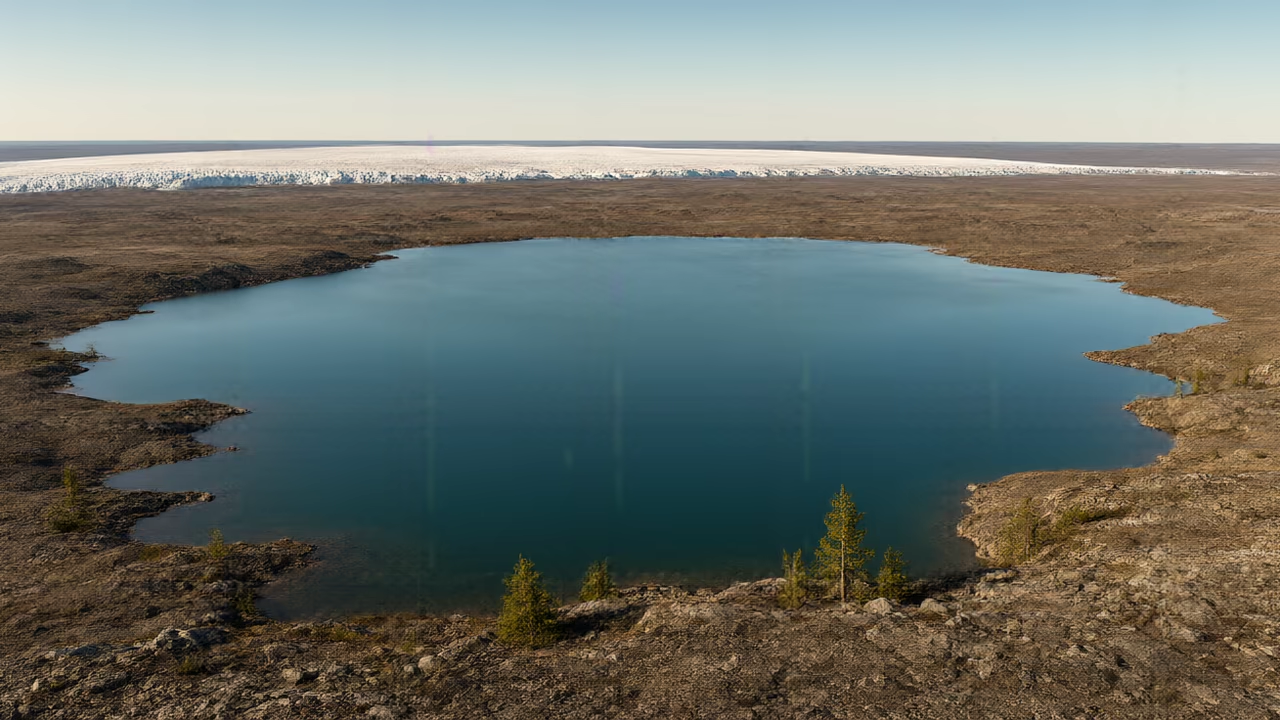
How Did the Great Lakes Form? Glaciers, Basins and Shared Water
Ice carved the Great Lakes. Learn which four touch Ontario, how Canada and the US share the water, and why 60 per cent of Ontarians drink from them.
Skill: Use cause and effect and sequence to explain how glaciers shaped the Great Lakes, and compare how two sources report the same number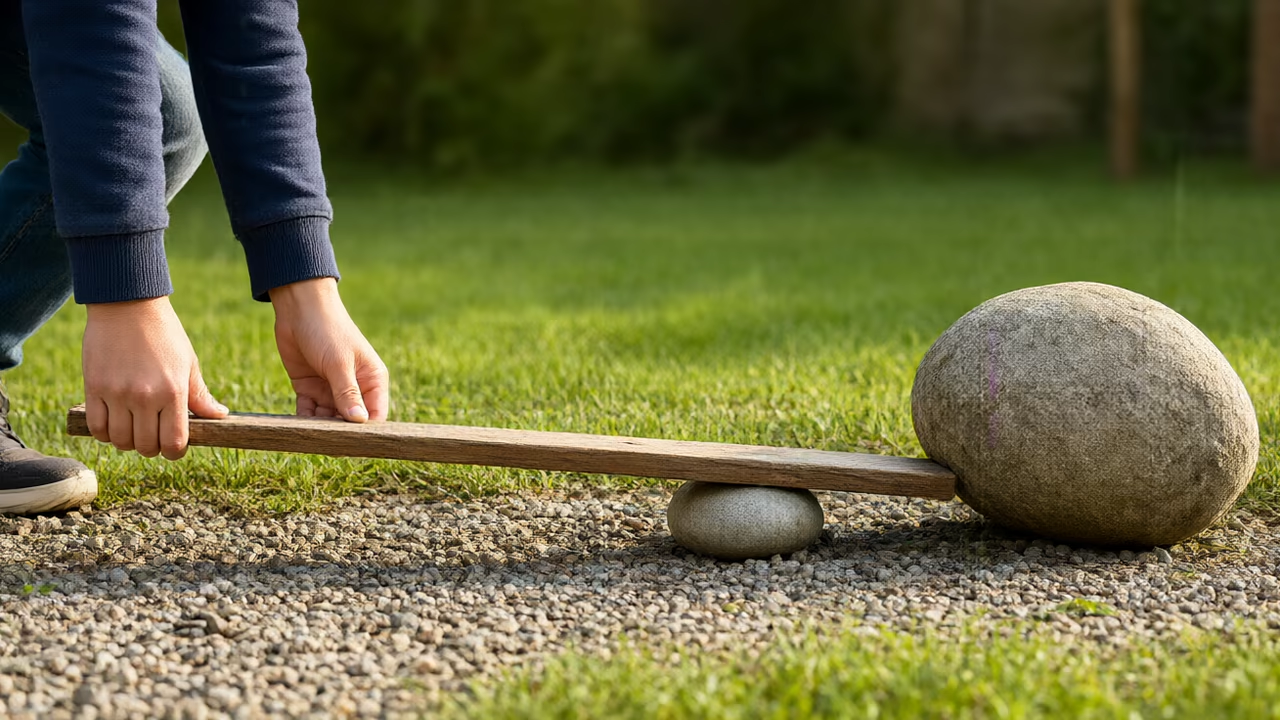
How Does a Lever Work? Fulcrum, Effort and Load
A seesaw, scissors and a wheelbarrow are all levers. Find the fulcrum, effort and load, then explain why a smaller push has to move farther.
Skill: Identify the fulcrum, effort and load in a lever, and explain the trade-off: less push needed, but the push must move farther
Short Story: Lights Out on Floor Nine
Original fiction. A November windstorm knocks out the power, and Mr. Haddad is stuck in the lobby nine floors down. See how the setting shapes the plot.
Skill: Describe a story's setting (place, time and weather) and explain how the setting causes the problem, shapes the characters' choices and helps solve the problem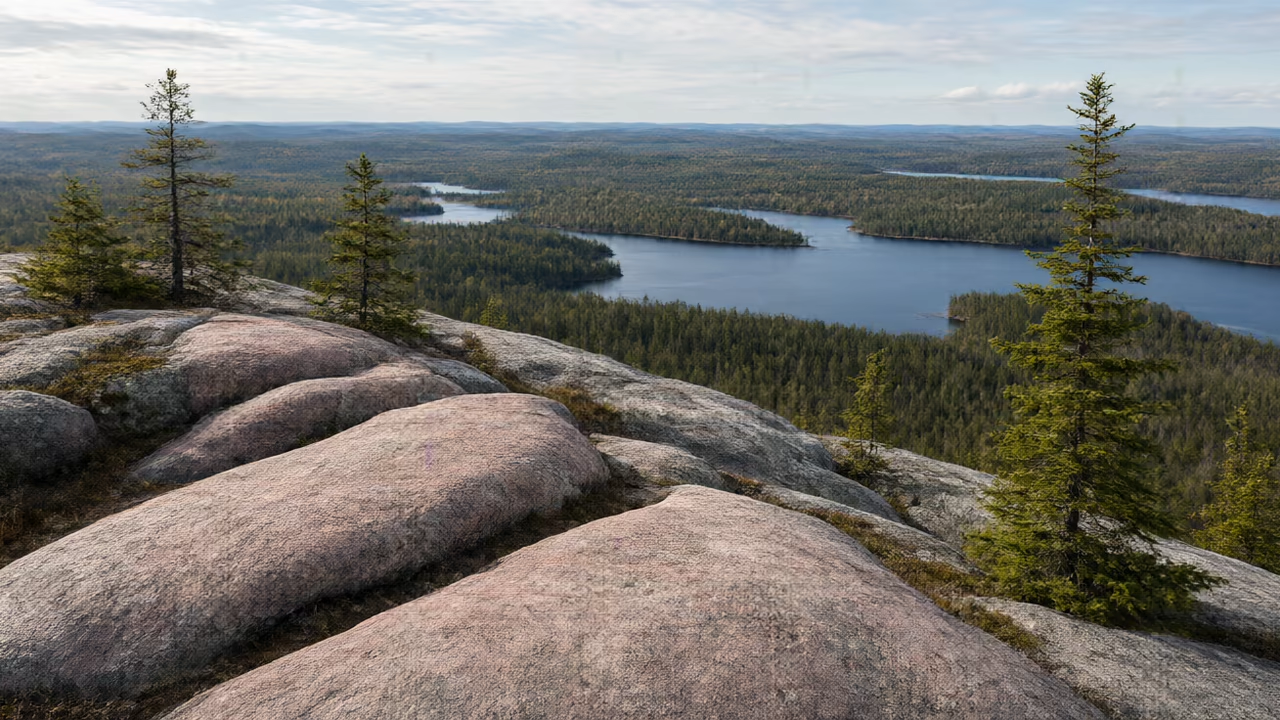
What Is the Canadian Shield? Ancient Rock, Lakes and Mines
Half of Canada sits on ancient rock. Learn how glaciers shaped the Canadian Shield's lakes and thin soil, and why it means mines, forests and dams.
Skill: Use cause and effect to connect a region's land features (old rock, glacier-made lakes, thin soil, forests and minerals) to how people live and work there, and sort facts into categories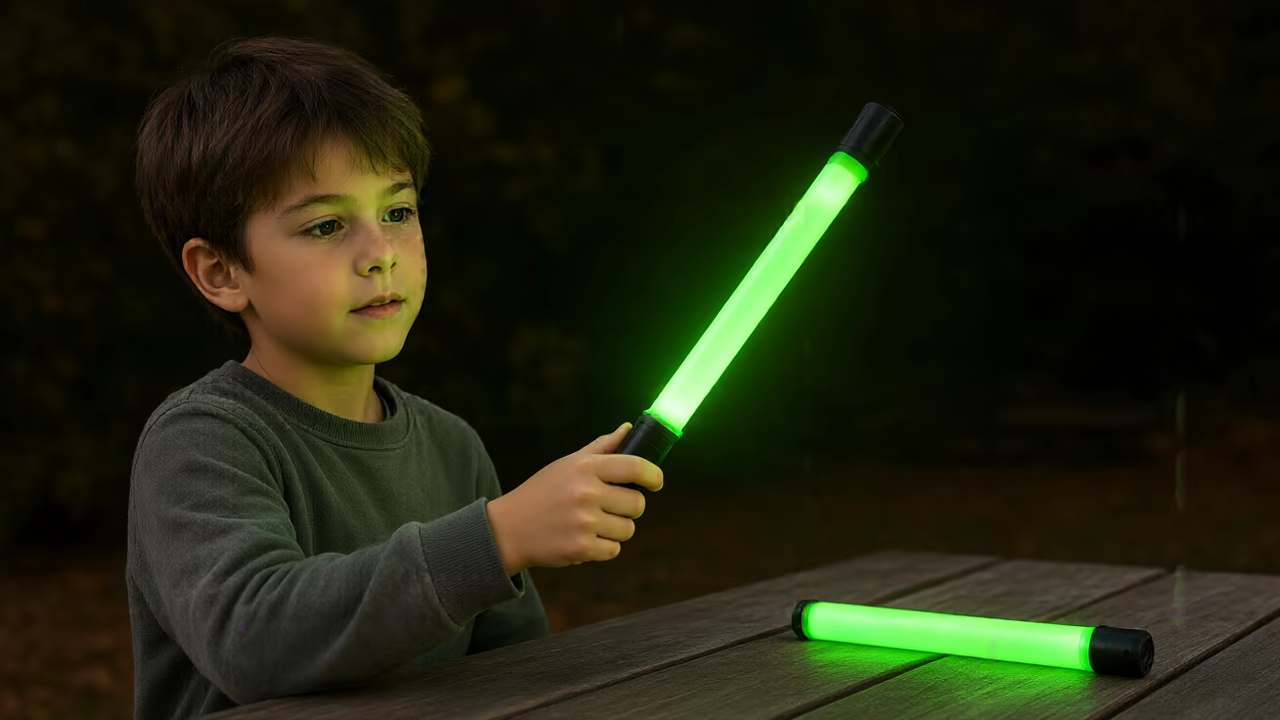
How Does a Glow Stick Glow? The Chemistry of Cold Light
Snap, shake, glow! Follow the chemical chain inside a glow stick, then use a fair test to explain why warm sticks shine brighter but cold ones last longer.
Skill: Explain a cause-and-effect chain (snap → mix → react → energy → dye → light) and interpret a fair-test comparison of warm and cold glow sticks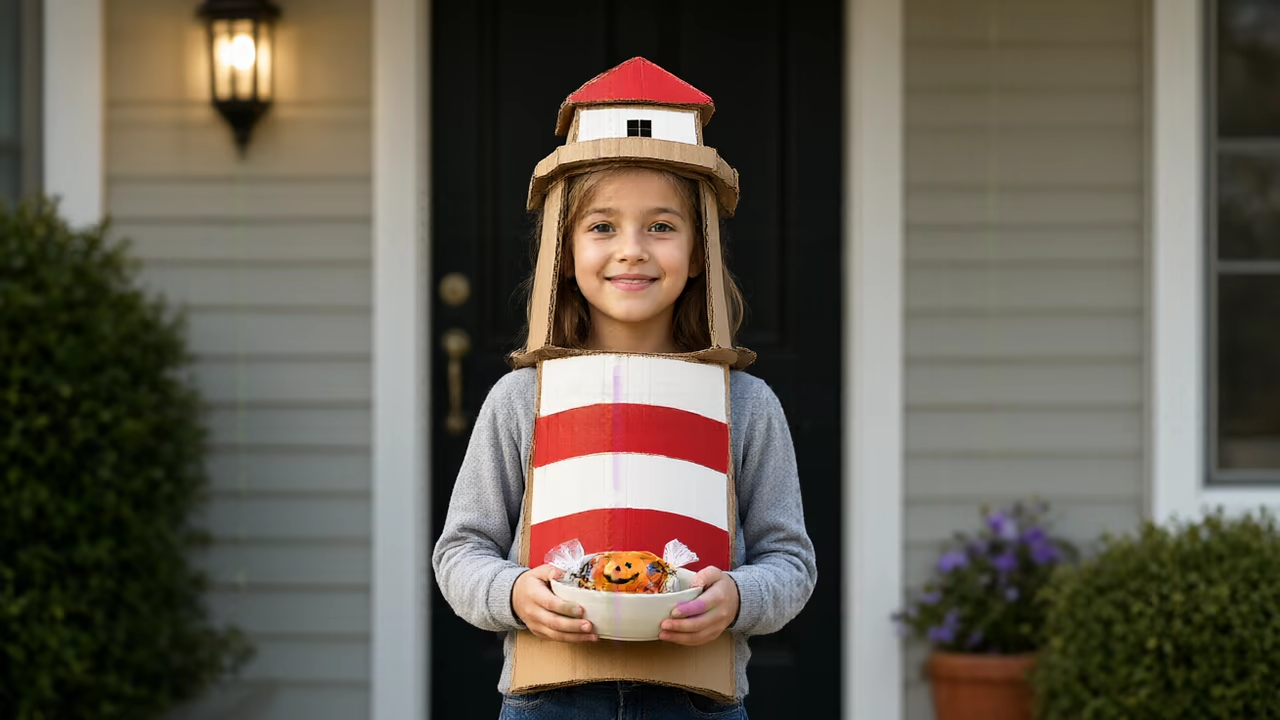
Short Story: The Last Treat in the Bowl
Original fiction. On Halloween, Nora reaches the last full-size treat first. Use her actions, words and thoughts to name her traits, not just feelings.
Skill: Describe a character's traits using evidence from her actions, words and thoughts, and tell lasting traits apart from feelings that change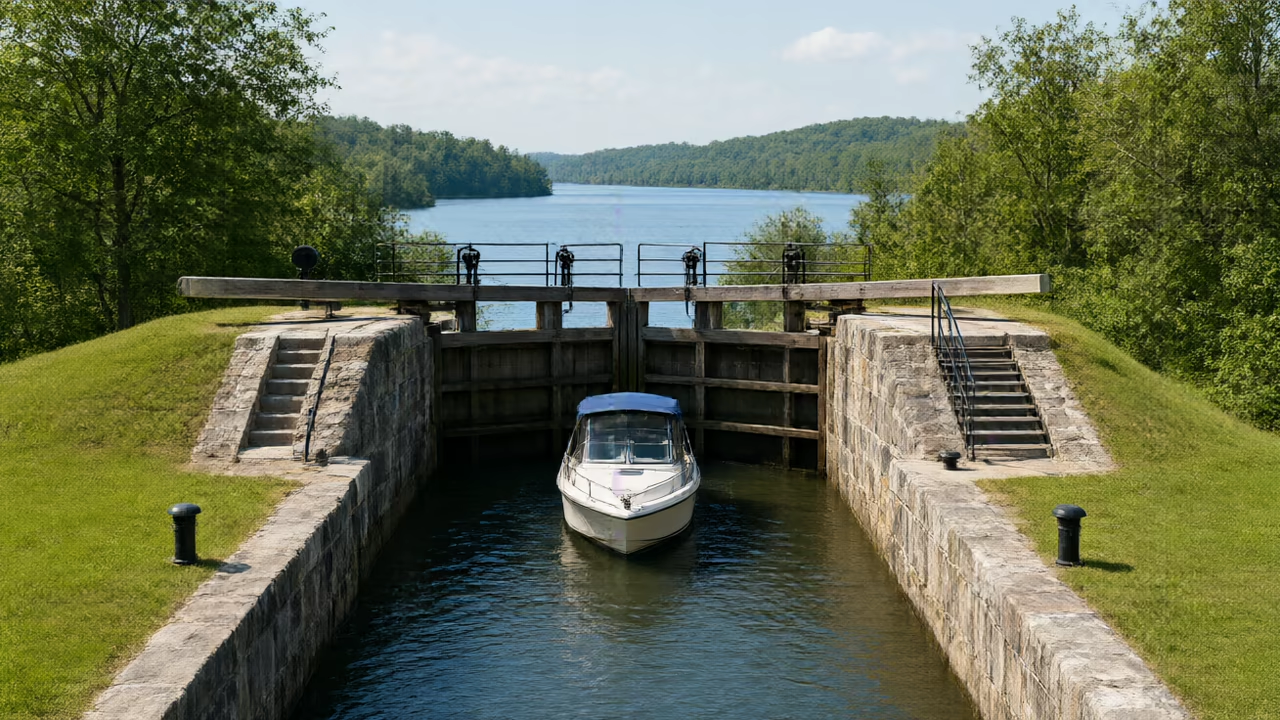
Why Was the Rideau Canal Built? How Locks Lift Boats
Find out why Britain built the Rideau Canal after the War of 1812, then follow the steps a lock uses to lift a boat with water and gravity.
Skill: Explain a chain of causes and effects (why the canal was built) and follow a process in order (how a lock raises or lowers a boat)
What Is Indigenous Veterans Day? Honouring Service on November 8
Every November 8, Canadians honour First Nations, Inuit and Métis veterans. Learn how the day began, who served and how sources tell its history.
Skill: Use dates and numbers as evidence, compare what two sources say, and explain why a community sets aside a day of remembrance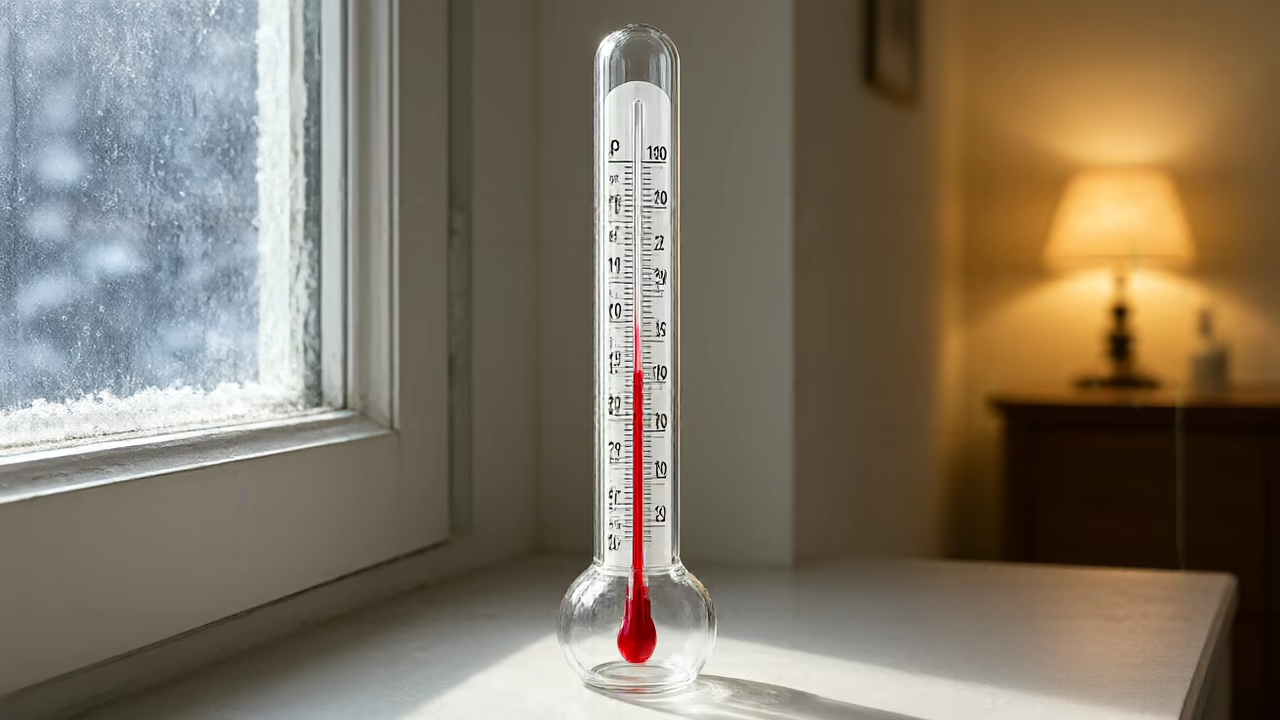
How Does a Thermometer Work? Why the Red Line Goes Up and Down
Why does the red line in a thermometer climb on a warm day and sink on a cold one? Learn how expanding liquid, a narrow tube and a scale measure temperature.
Skill: Explain a cause-and-effect chain (warming → expanding → rising) and read a labelled scale, including temperatures below zero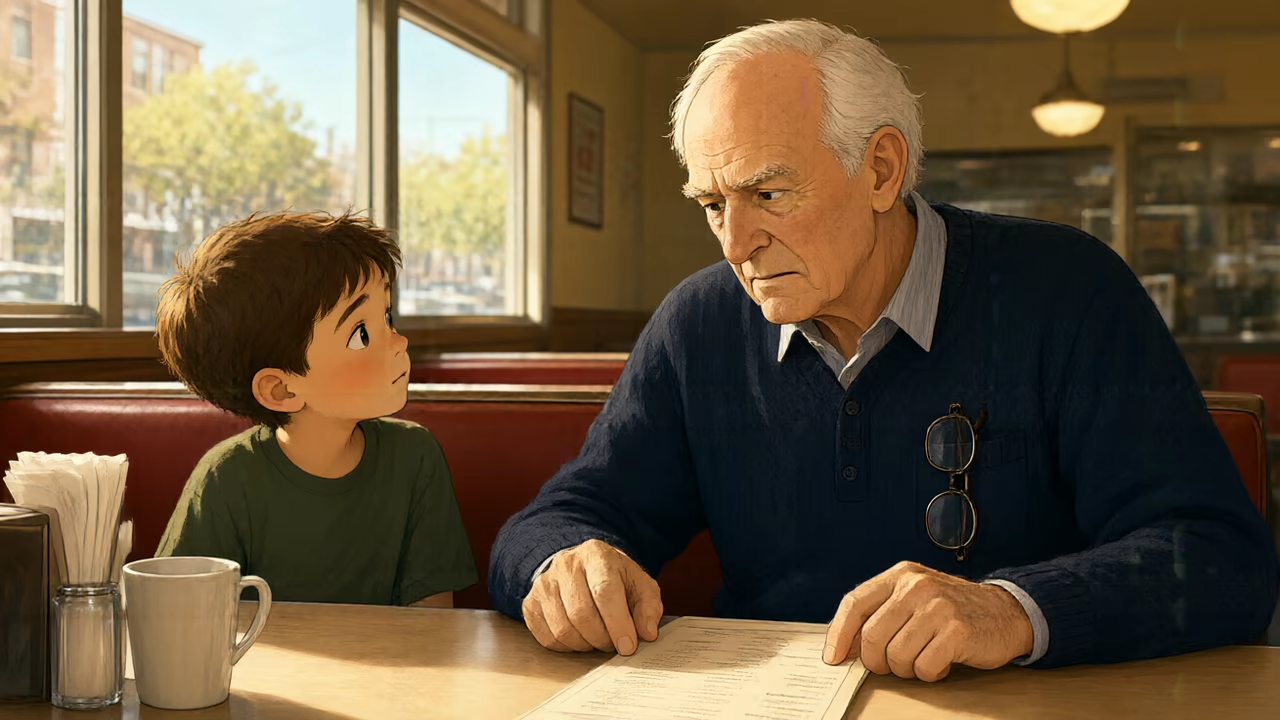
Short Story: Grandpa's Missing Glasses
Original fiction. Grandpa keeps 'forgetting' his glasses, but Theo spots them in his pocket. Join the clues to infer what Grandpa isn't saying.
Skill: Make an inference by joining clues in the story with what you already know, support it with evidence, and check it when new information arrives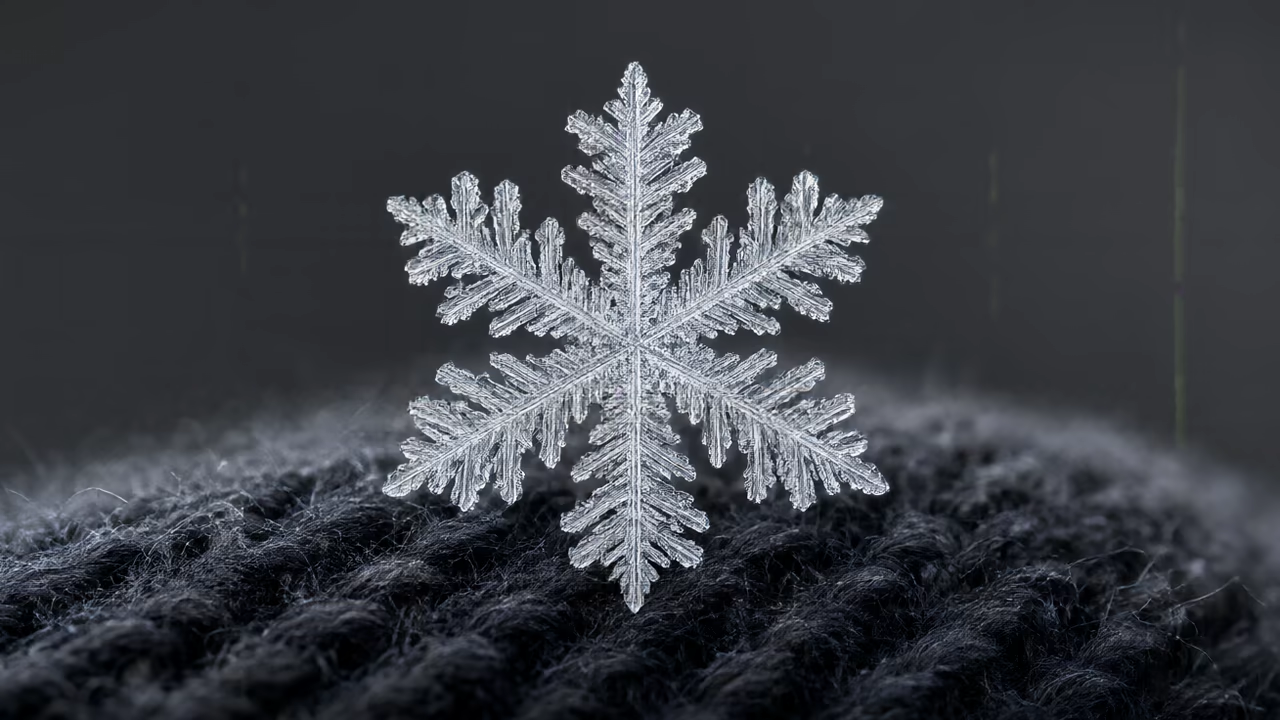
How Does a Snowflake Form? From a Speck of Dust to Six Arms
A snowflake is not a frozen raindrop. Follow its growth step by step, from a speck of dust to six arms, and see why cold and damp air change its shape.
Skill: Put the steps of a natural process in order, and explain how temperature and humidity cause different snow crystal shapes
Short Story: Three Clocks, One Morning
Original fiction. On the morning the clocks fall back, Nadia finds three clocks showing three times. Order the events and trace the mistake to its cause.
Skill: Put story events in order using time clues, and explain how one early event causes a problem later in the story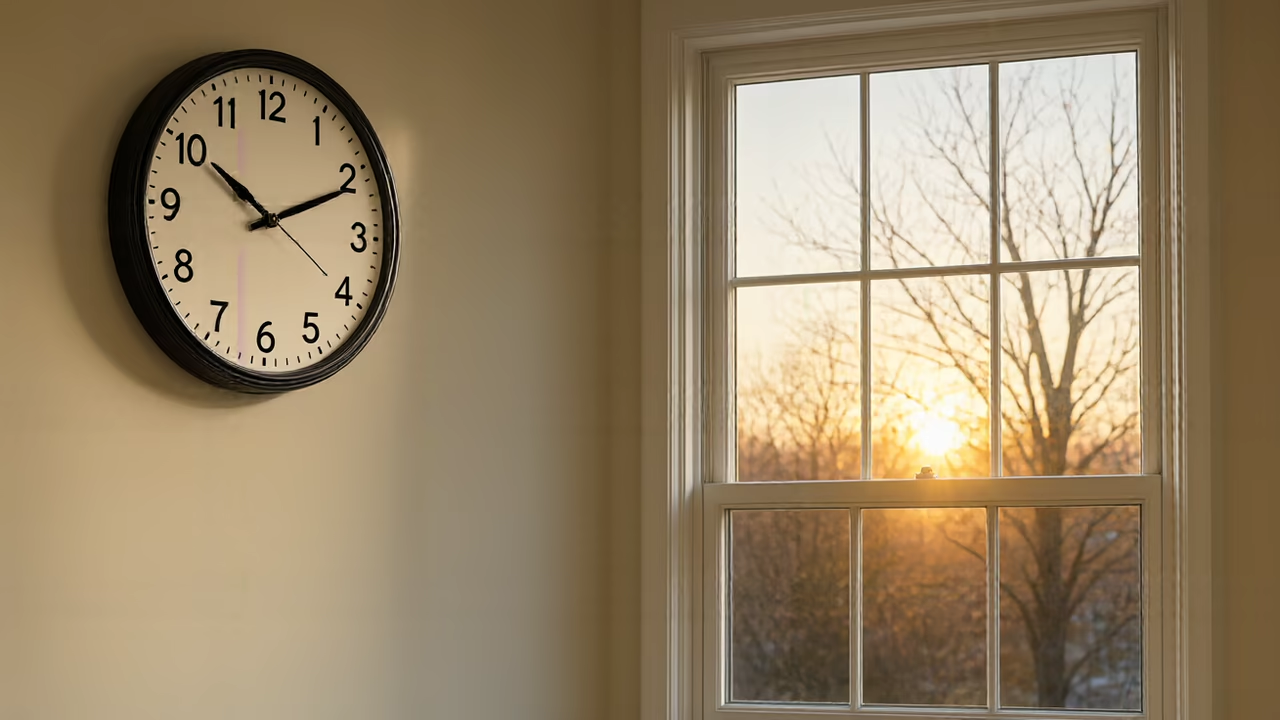
Why Do Ontario's Clocks Fall Back? How Daylight Saving Time Works
This Sunday at 2 a.m., Ontario clocks fall back an hour. Learn where daylight saving time came from, who decides it, and why some places no longer change.
Skill: Explain a rule and who makes it, follow the steps a bill takes to become a law in force, and tell facts apart from opinions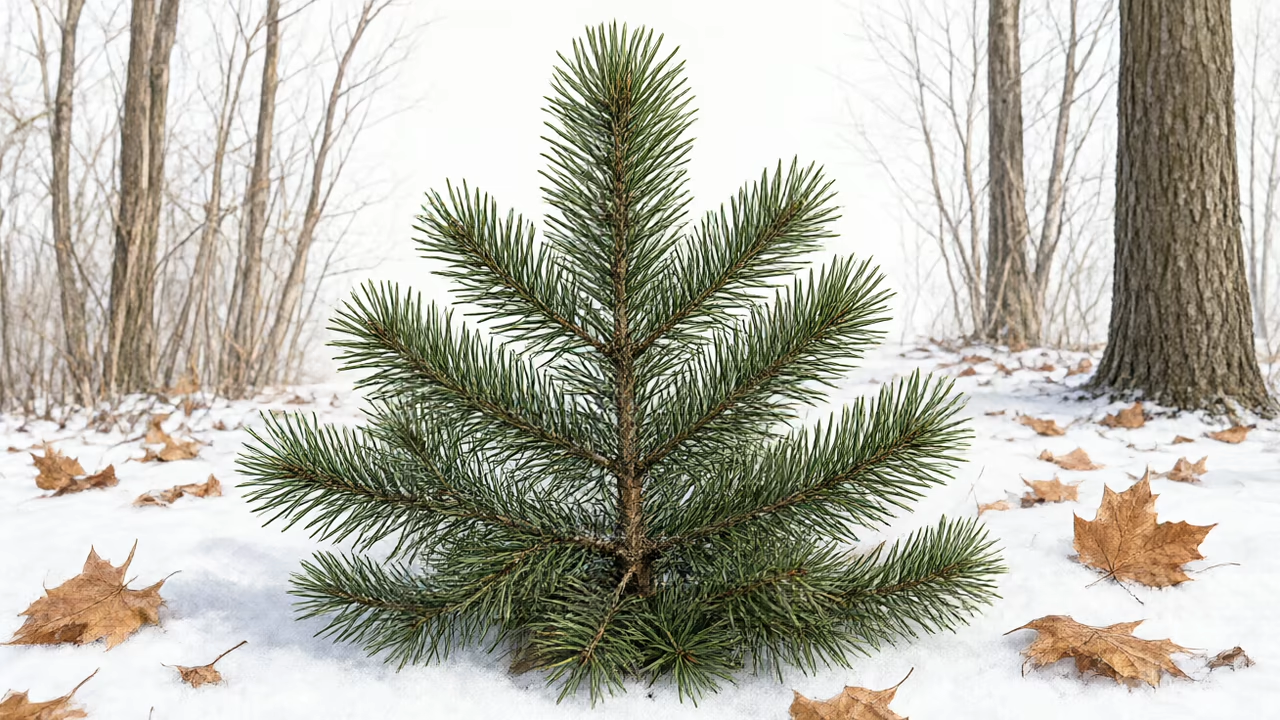
Why Do Evergreen Trees Keep Their Needles in Winter?
Maples are bare by November, but pines stay green. Compare a needle with a broad leaf and explain how its shape, wax and pores help it survive winter.
Skill: Compare and contrast needles with broad leaves, and use cause and effect to explain how needle features help a tree through winter
What Is a Treaty? Treaties Recognition Week in Ontario
Ontario marks Treaties Recognition Week every November. Learn what a treaty is, put Ontario's treaties on a timeline, and find the treaty where you live.
Skill: Read and build a timeline, and put events in order using dates and signal words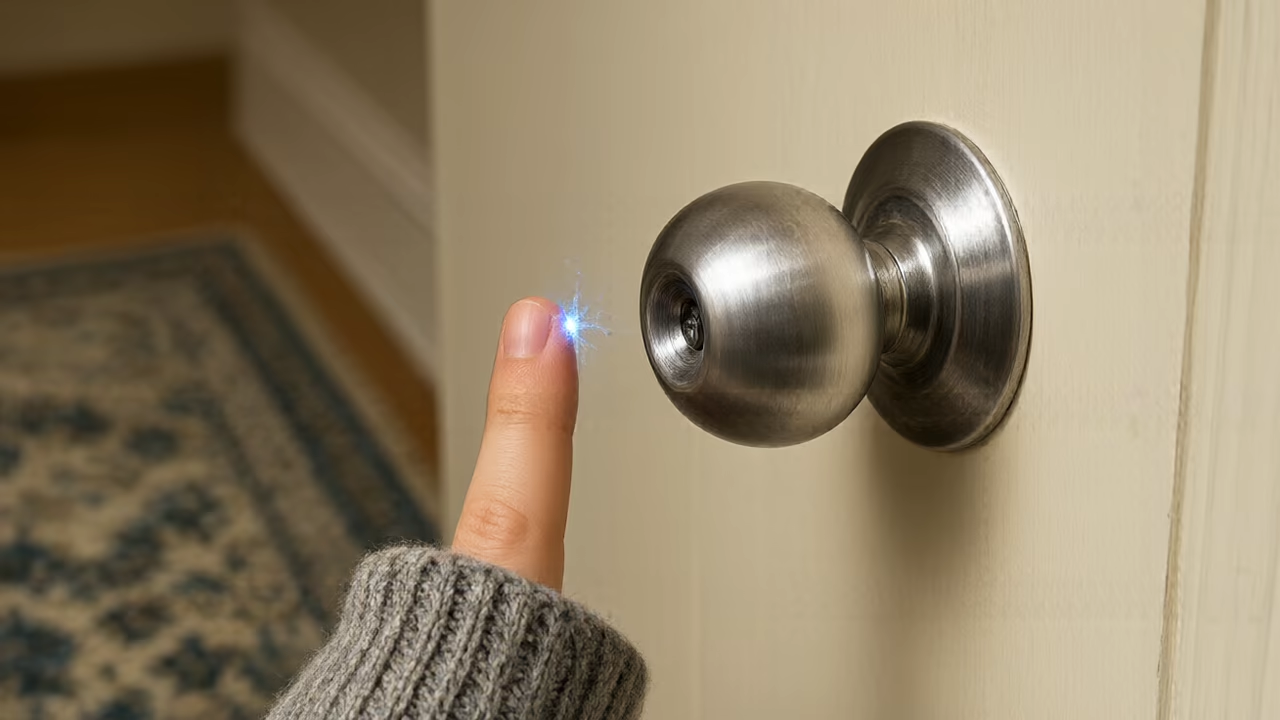
Why Do You Get Static Shocks in Winter?
Shuffle across a carpet, touch a doorknob, snap! Follow the electrons step by step and explain why static shocks are more common in dry winter air.
Skill: Explain a mechanism step by step and use cause and effect to explain why static shocks happen more often in cold, dry weather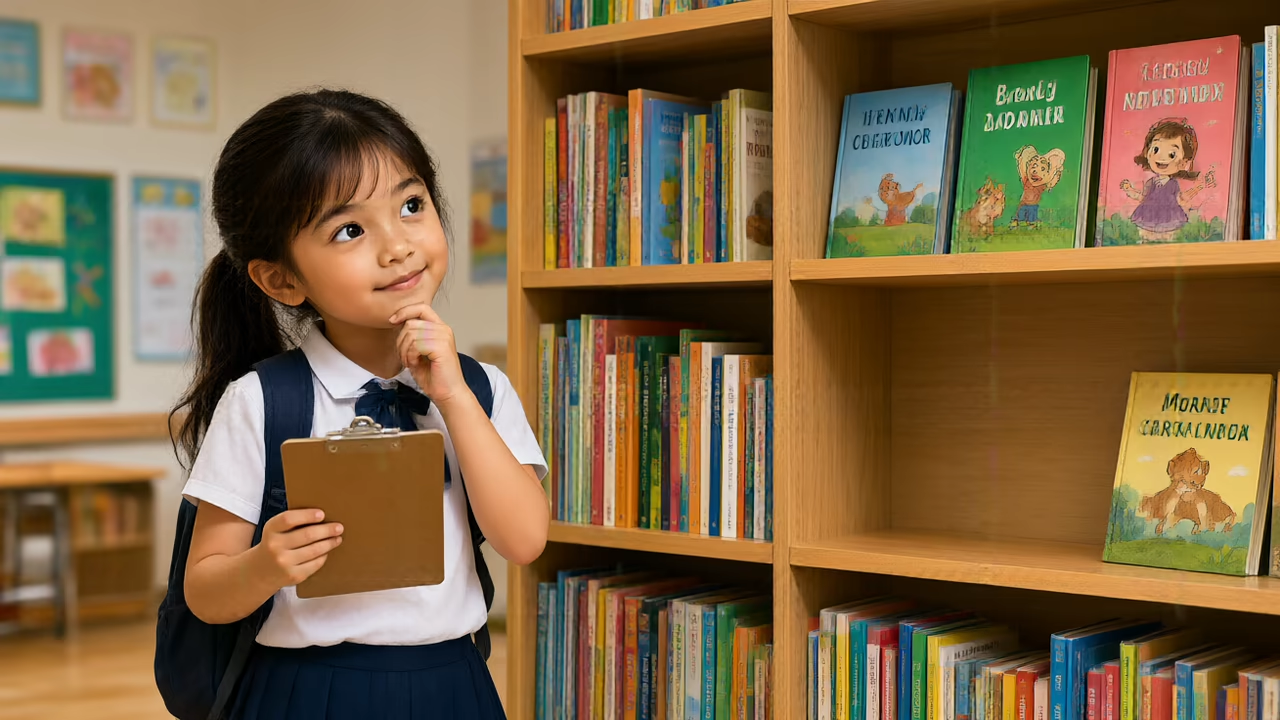
Short Story: The Missing Book in Room 12
An original mystery: a popular book vanishes from a class library. Use clues planted early to predict the solution, then check your guess against the facts.
Skill: Make predictions from clues, check each prediction against the evidence, and revise it when the facts do not fit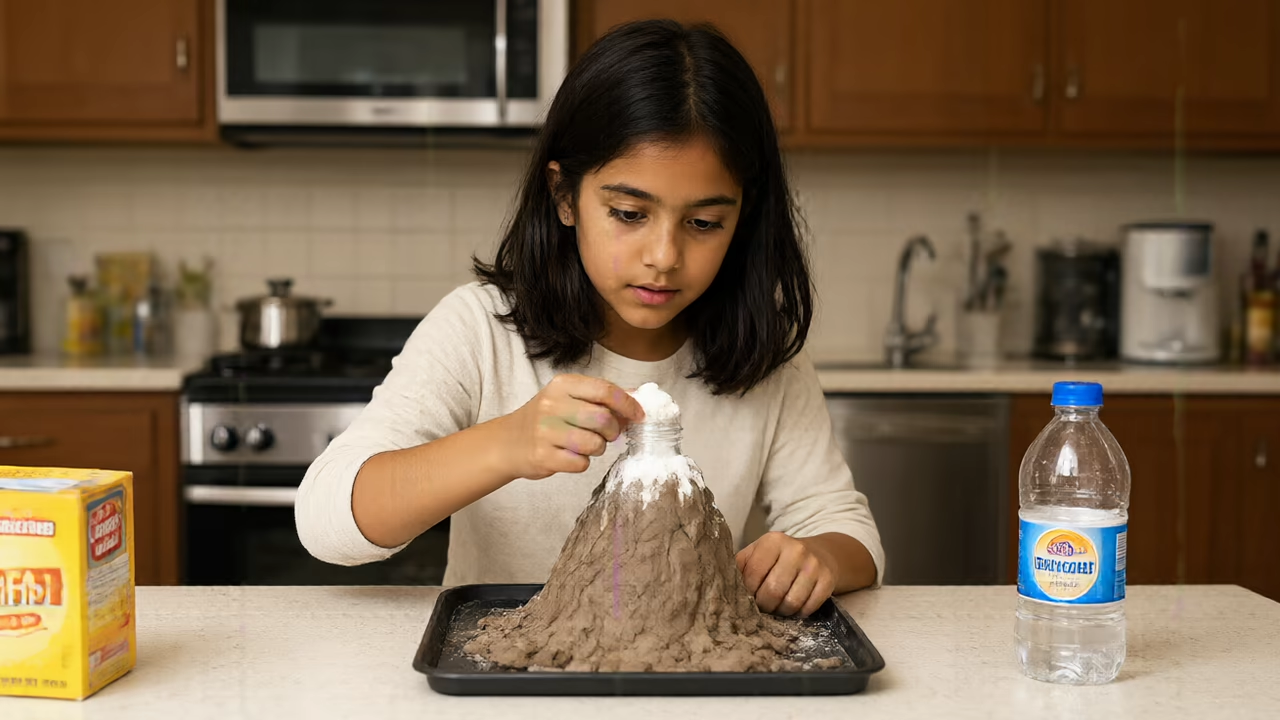
Short Story: The Volcano That Wouldn't Erupt
An original story: Noor's volcano fizzles the night before the science fair. Map the problem, attempts and turning point, then infer how she changes.
Skill: Map a story's structure (character, setting, problem, events, solution), find the turning point, and infer how the main character changes and what the theme is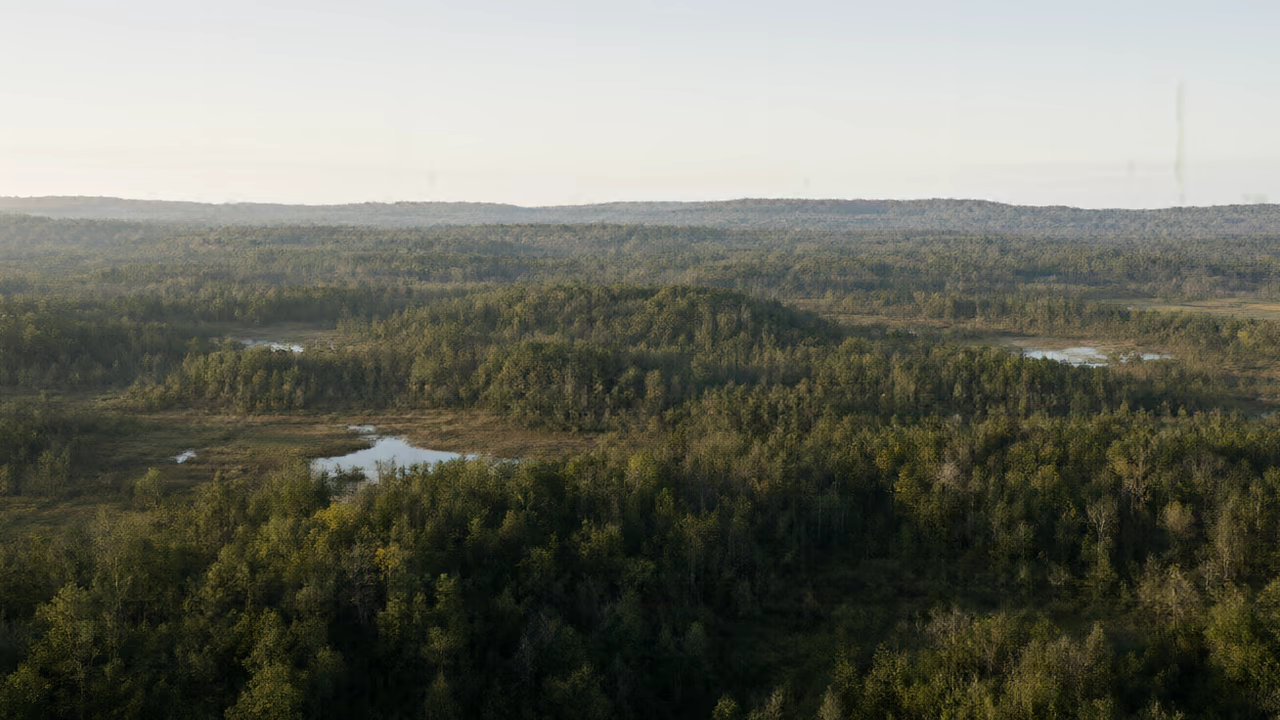
What Is the Oak Ridges Moraine? The Ridge That Stores Water
North of Toronto, a 160 km ridge of sand and gravel soaks up rain. Find the main idea, picture the map, and see how Ontario's plan protects it.
Skill: Find the main idea and supporting details, and read a map described in words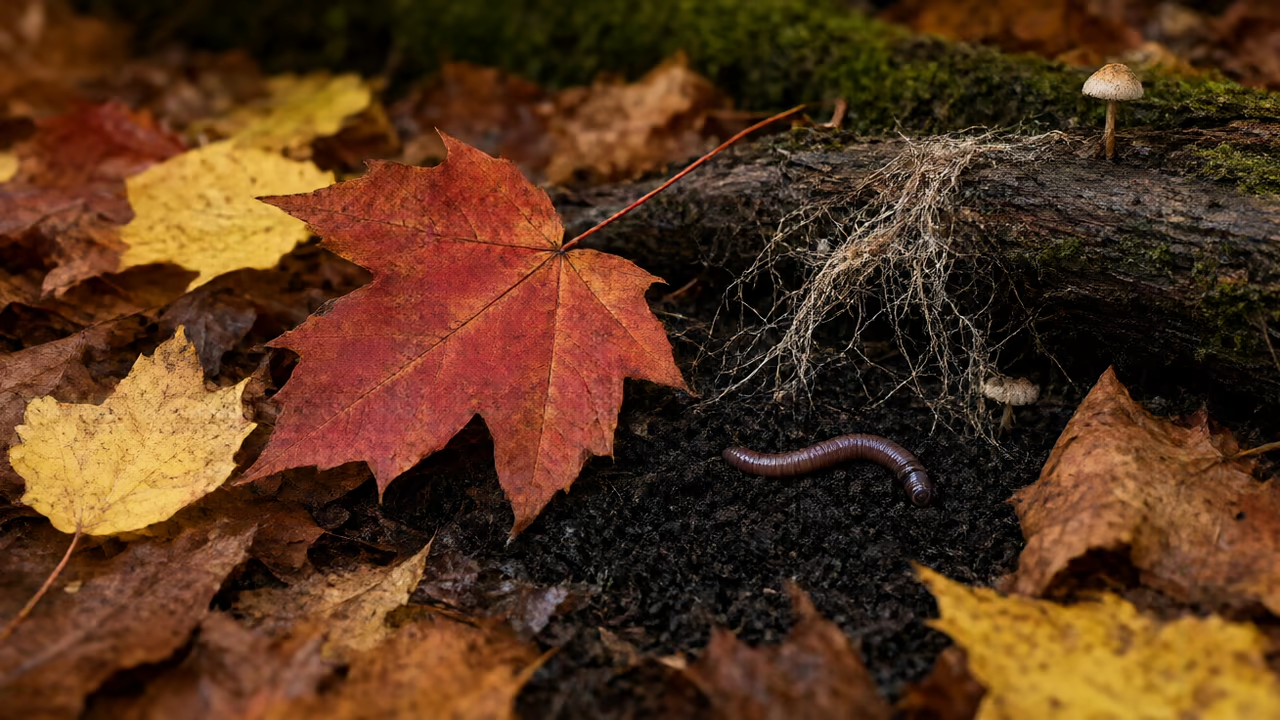
Where Do Fallen Leaves Go? How Decomposers Recycle the Forest Floor
Trees drop new leaves every fall, yet forests are not buried. Meet the shredders, fungi and bacteria that break leaves down and return nutrients to the soil.
Skill: Put the steps of a cycle in order, explain each decomposer's job, and use cause and effect to explain why some leaves break down faster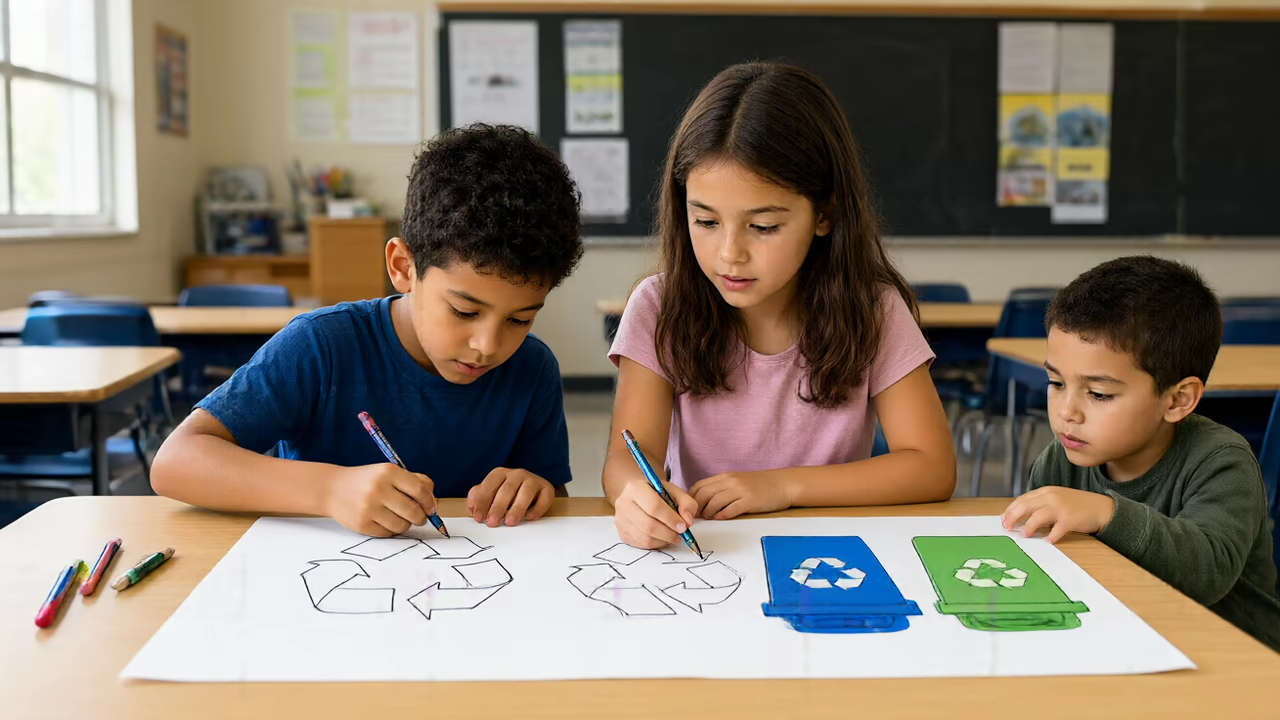
Short Story: Two Ideas, One Poster
An original story: Mateo wants big drawings, Grace wants facts. Their recycling poster splits down the middle until a Grade 1 reader shows them what is missing.
Skill: Compare two characters' points of view, identify a conflict between characters, and explain how a compromise solves the problem
Why Do Canadians Wear Poppies? The Story Behind Remembrance Day
Each November, millions of Canadians pin on a small red poppy. Trace the symbol from a 1915 poem to today's ceremonies, and learn why everything pauses at 11 o'clock.
Skill: Build a timeline from dates in a text, explain cause and effect, and compare how different sources report the same details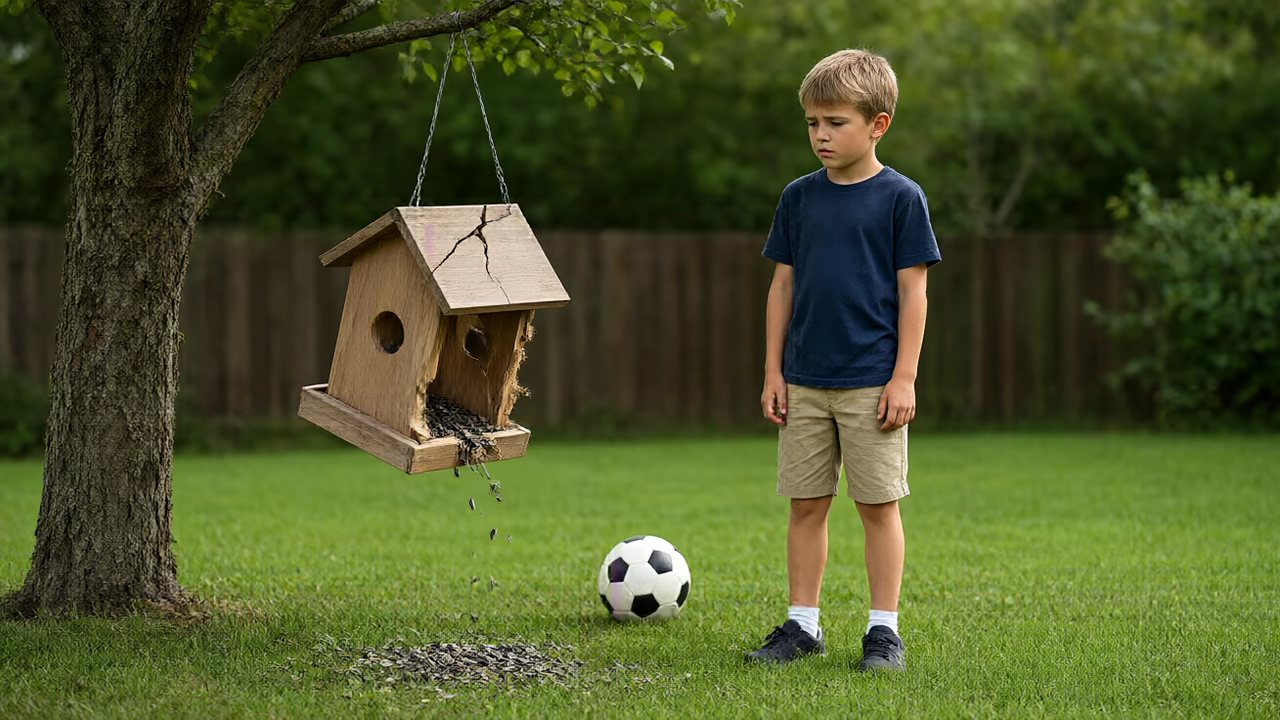
Short Story: The Cracked Birdfeeder
An original story: Sam's soccer ball cracks a neighbour's birdfeeder. Follow his choices, read his feelings from clues, and work out the story's message.
Skill: Track a character's feelings and choices, map problem and solution, and state a theme in your own words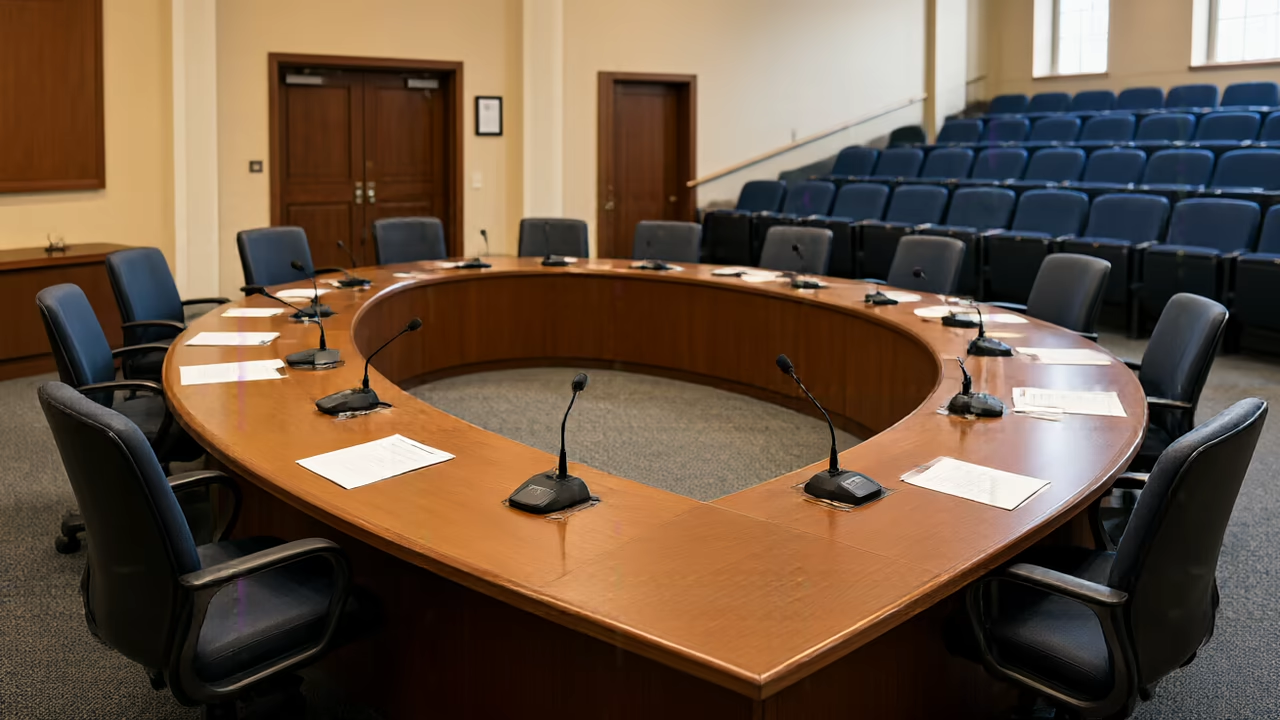
Who Decides About Your Street? How a Town Council Works
Roads, parks, libraries and garbage pickup are run by your local council. Learn what a council does, how it votes, and who chooses the council.
Skill: Explain a process in order and connect everyday services to the people who decide about them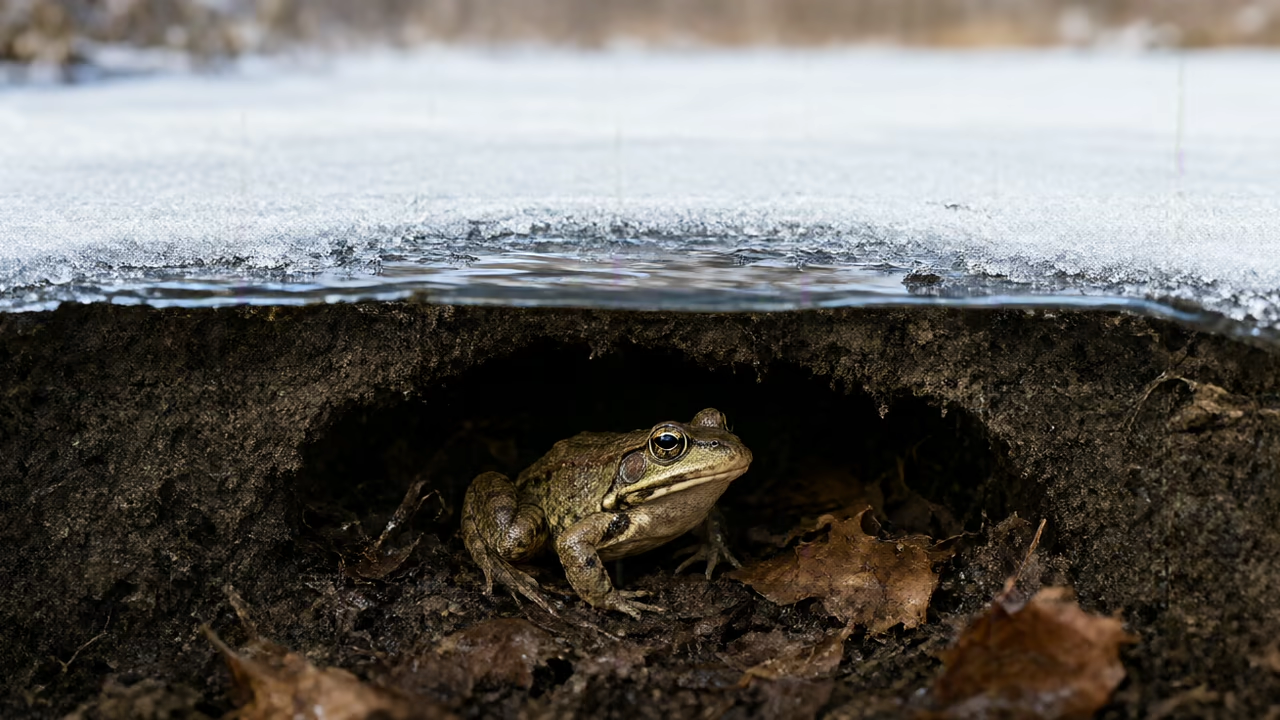
Where Do Frogs Go in Winter? Three Ways to Survive the Cold
Ontario frogs can't fly south or make their own heat. Read how some rest under the ice, some dig deep, and some freeze, then compare the three plans.
Skill: Compare three survival strategies and put the steps of a process in order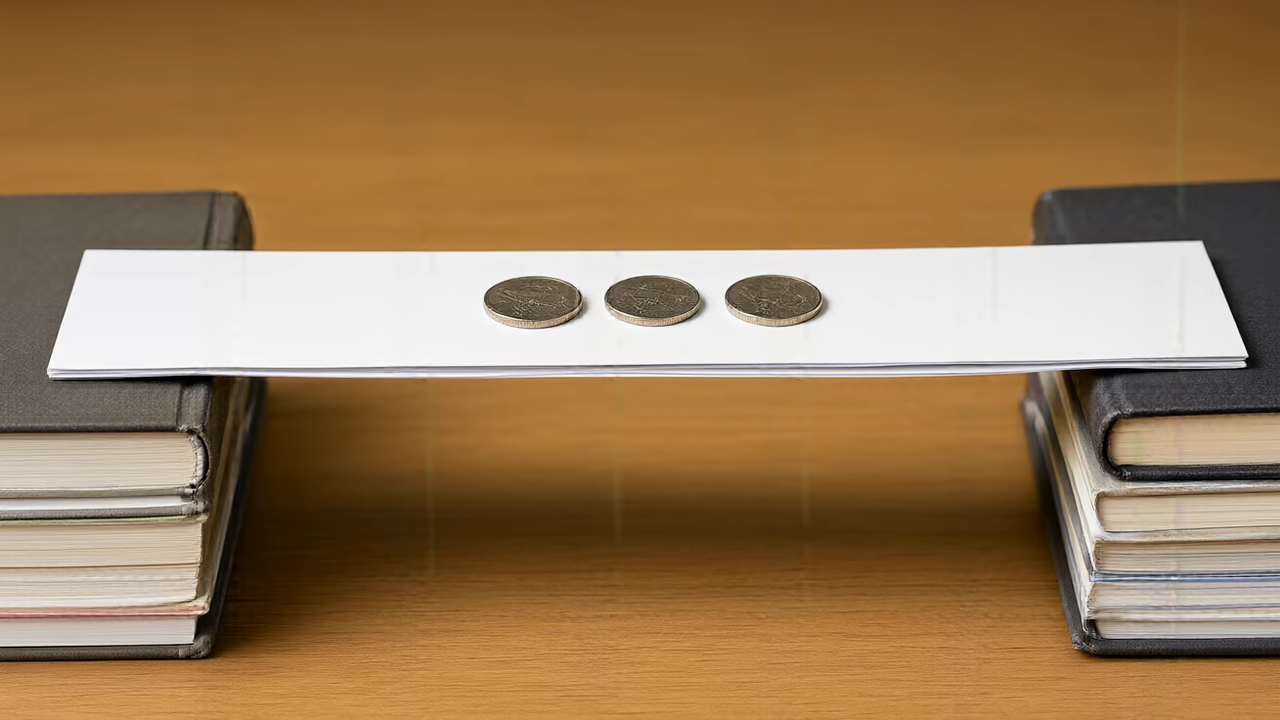
The Paper Bridge Test: What Does the Evidence Prove?
Read an original classroom engineering story, compare trial results, and learn how to support a cause-and-effect explanation without overstating what one test proves.
Skill: Separate observations from explanations, trace cause and effect, and recognise what one test cannot prove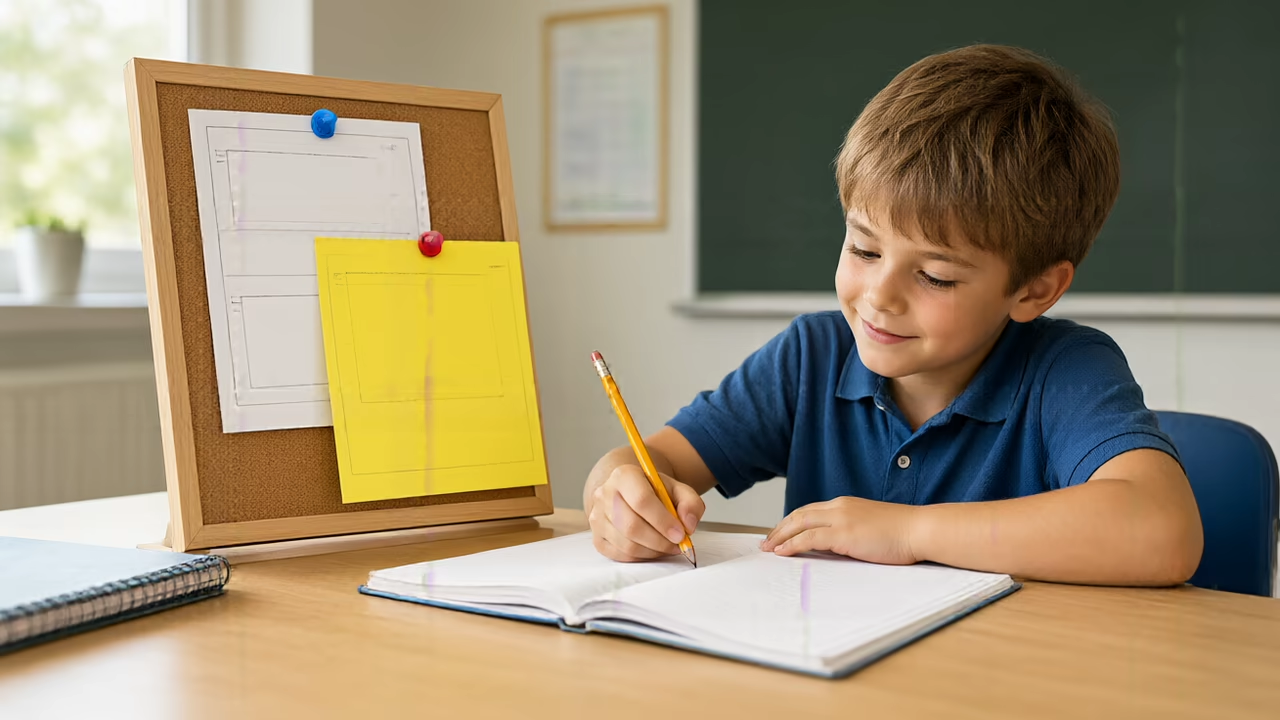
Two Notices, One Rumour: Which Information Should You Trust?
Compare two fictional event notices and a rumour to practise finding the latest information, spotting unsupported claims, and writing an evidence-based conclusion.
Skill: Compare details, distinguish evidence from a claim, and explain what remains uncertain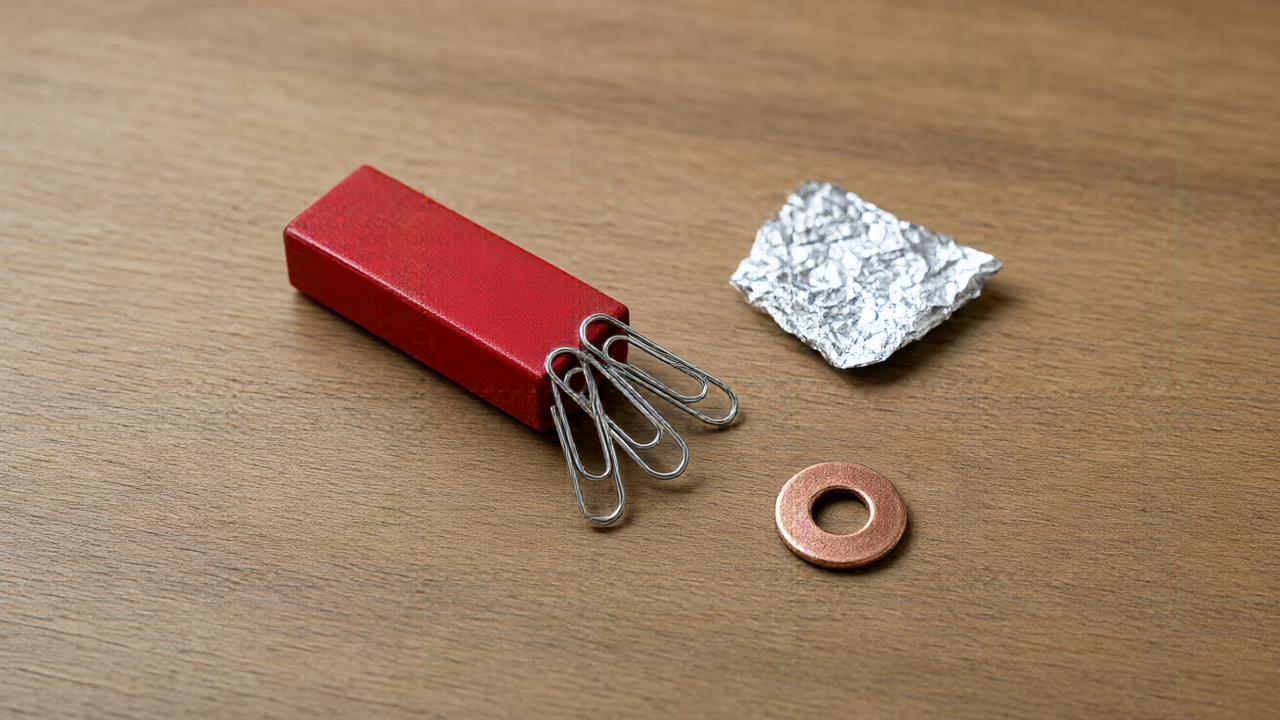
Why Doesn't a Magnet Stick to Every Metal?
Steel clips move toward a magnet, but aluminium and copper usually do not. Compare the evidence before deciding what a magnet can attract.
Skill: Use a controlled comparison to distinguish observations from claims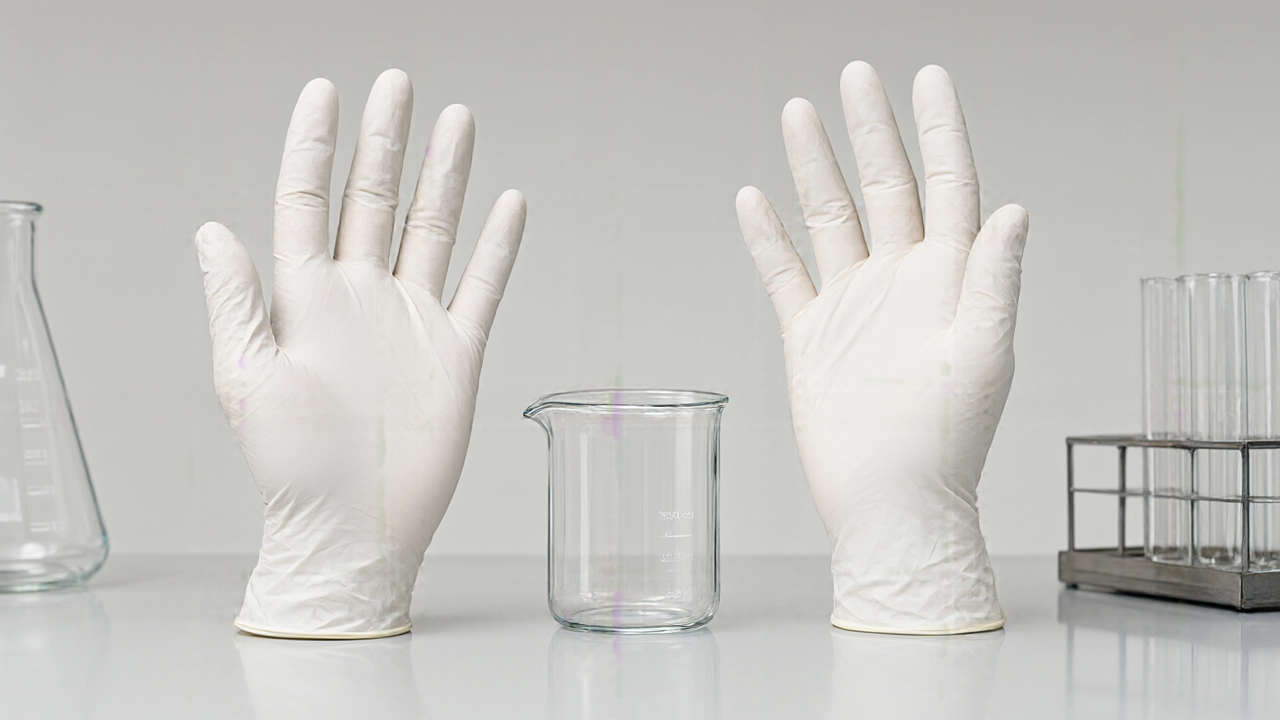
Science News: Why Can a Molecule Have a Left and a Right Hand?
A new Nobel Prize story about mirror-image molecules explains how molecular shape influences chemistry, medicine and the evidence scientists use.
Skill: Read a science news report; distinguish evidence, analogy and scientific limits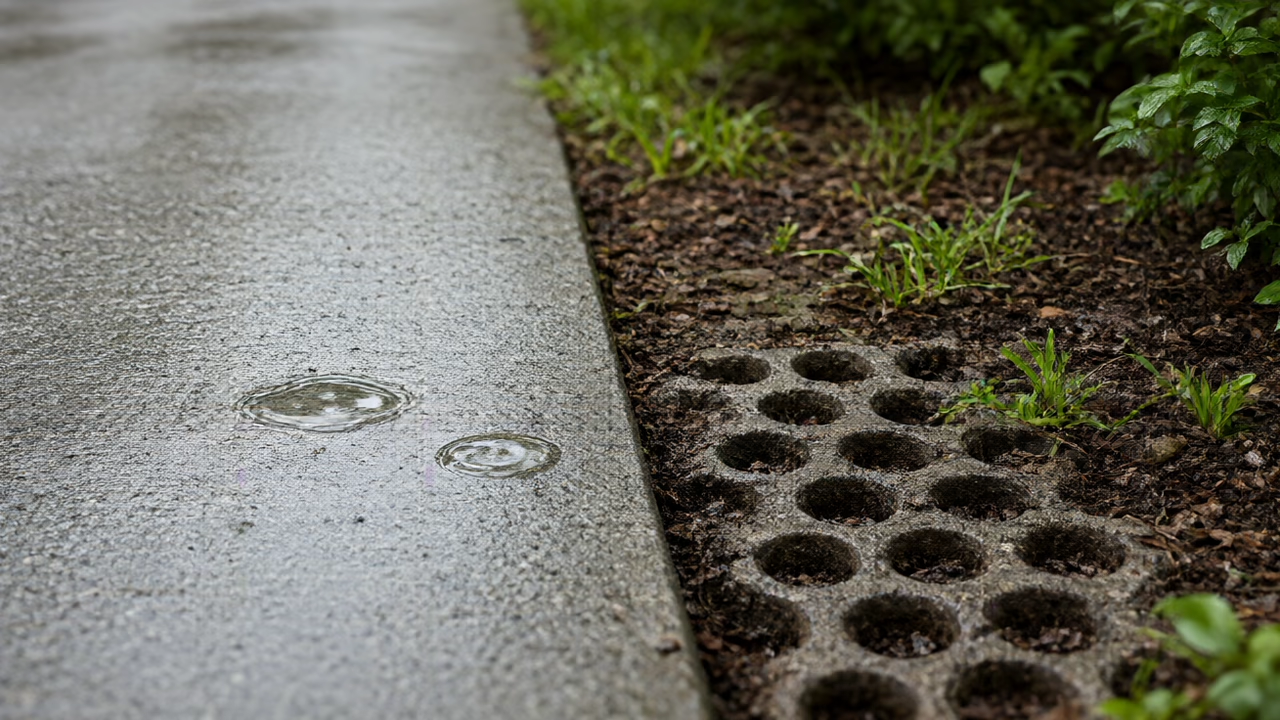
Why Does Rain Soak into Some Ground but Run off Other Surfaces?
Track three possible routes for rainwater and learn how soil, pavement, slope and rainfall affect infiltration and runoff without confusing a guess with evidence.
Skill: Separate observation, mechanism and evidence
Pause Before You Sign: Read, Ask and Decide
A practical reading and reasoning lesson for children about promises, subscriptions, permission slips and decisions made under pressure, with bilingual vocabulary and real-life practice.
Skill: Read agreement terms, notice pressure, compare outcomes and make informed decisions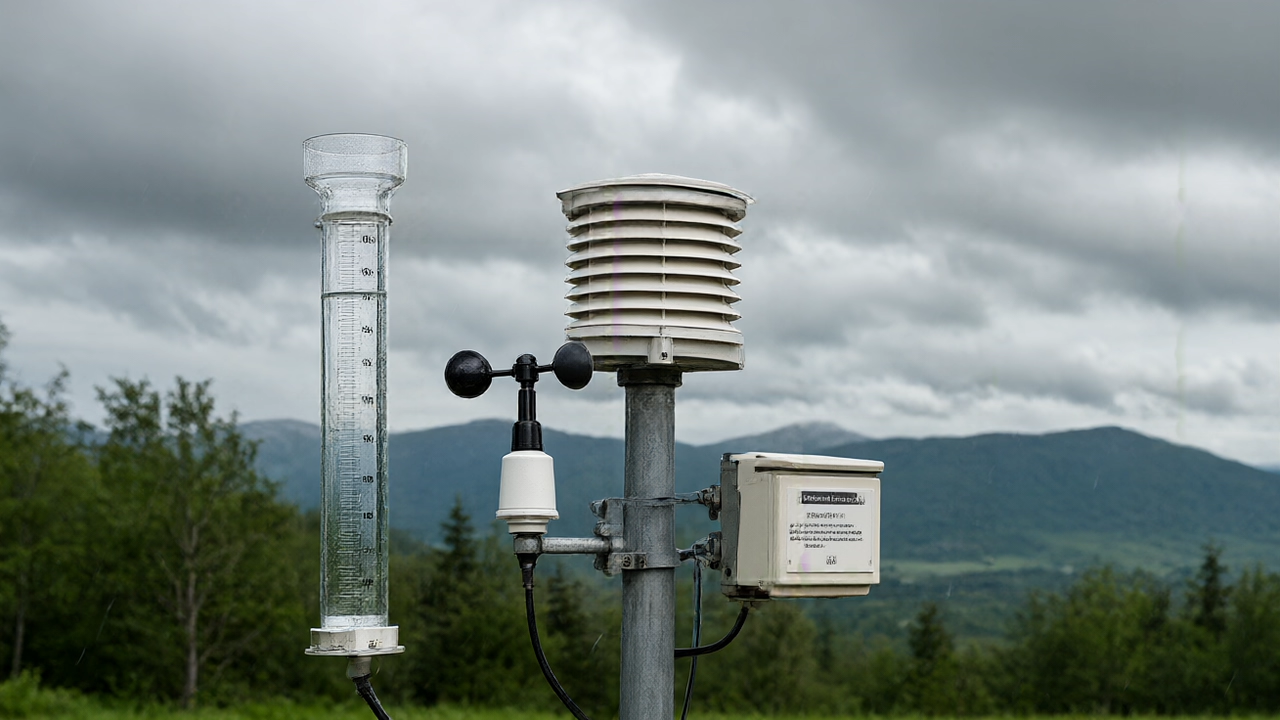
How Do Weather Forecasters Turn Evidence into Predictions?
Follow a Canadian weather forecast from real observations to computer models, then decide which claims the evidence supports and which remain uncertain.
Skill: Distinguish observations, model predictions and uncertainty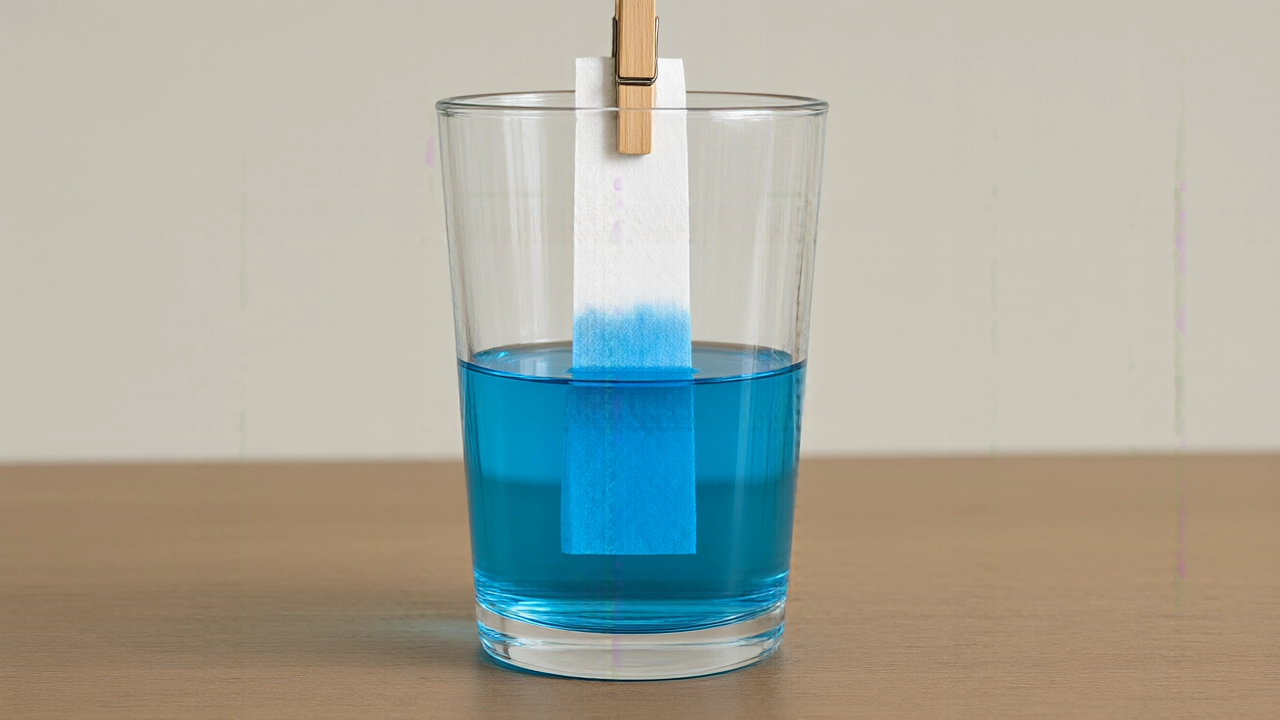
How Can a Paper Towel Pull Water Upward?
Explore why water climbs through a paper towel, distinguish adhesion from cohesion, and learn what a simple observation can and cannot prove.
Skill: Connect observations, mechanisms and testable explanations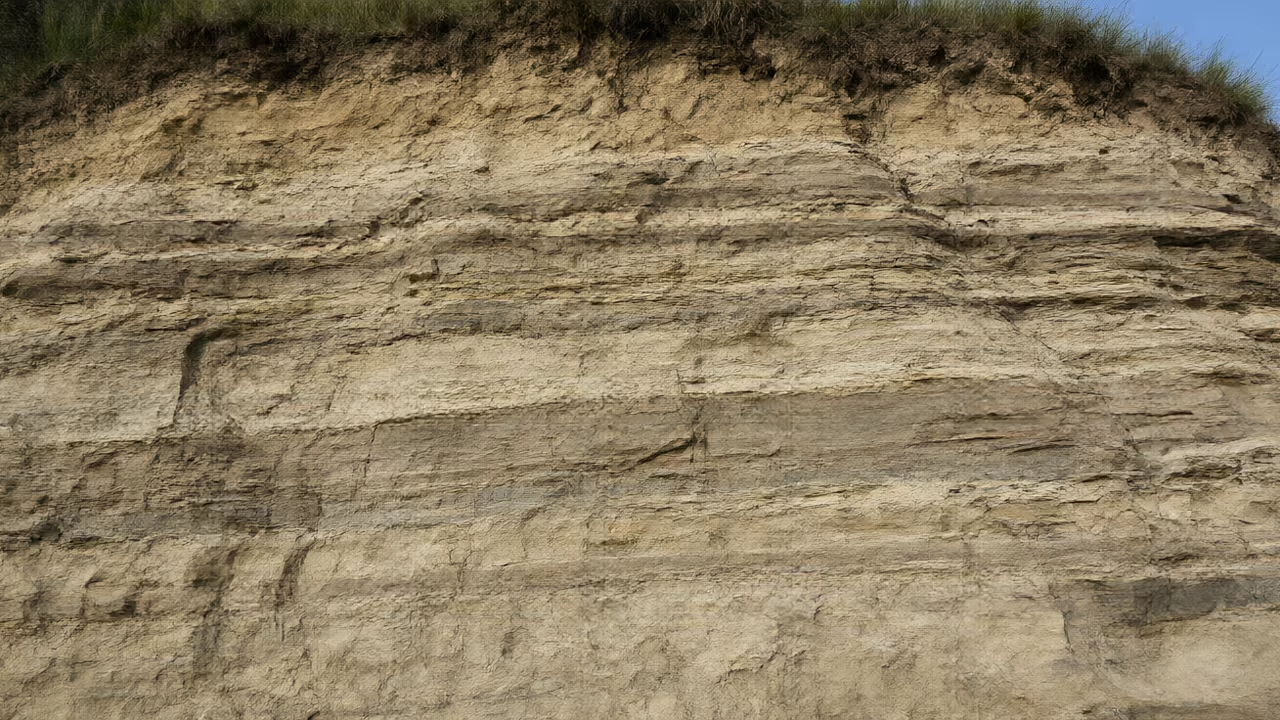
How Can Rock Layers Tell a Story About the Past?
Use sedimentary strata, a cutting rock vein and missing layers to reason about order, relative age and the difference between observations and inferred history.
Skill: Use rock layers to compare relative ages and identify limits of evidence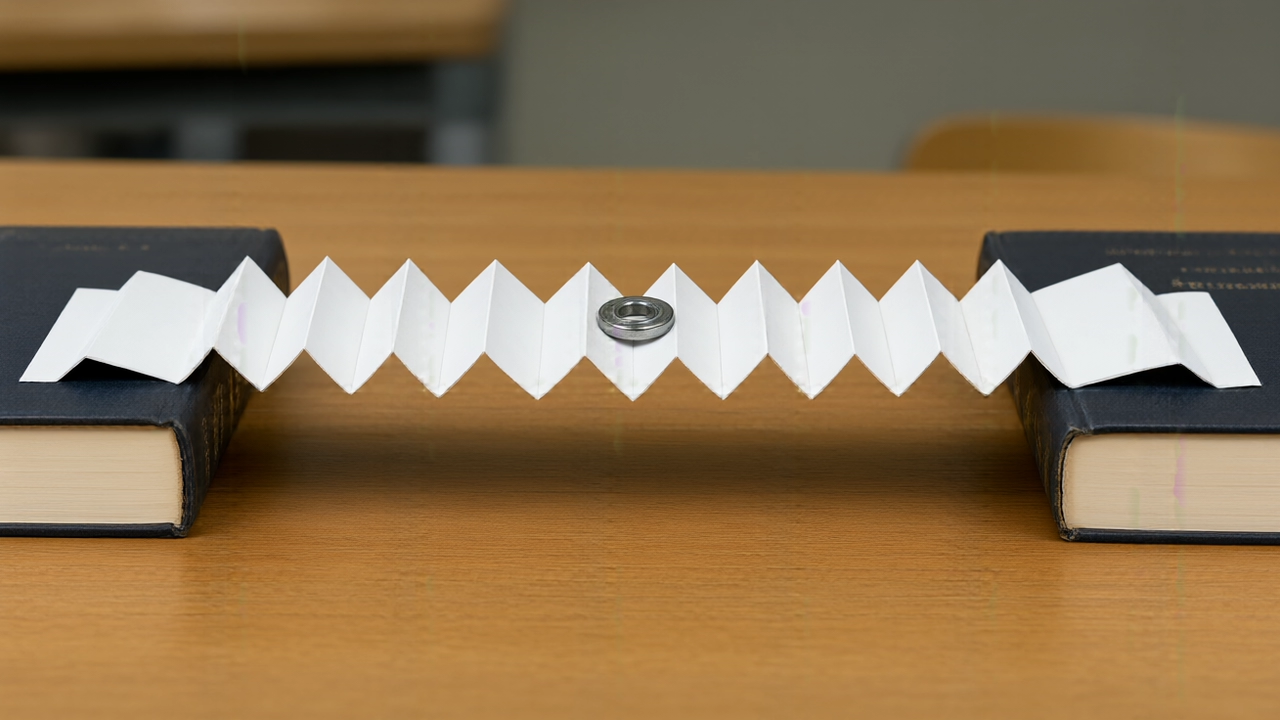
Can a Paper Bridge Prove Which Design Is Stronger?
Compare paper bridges through a controlled test, read invented trial data and learn to make claims that match the evidence.
Skill: Separate a fair test, an observation and a conclusion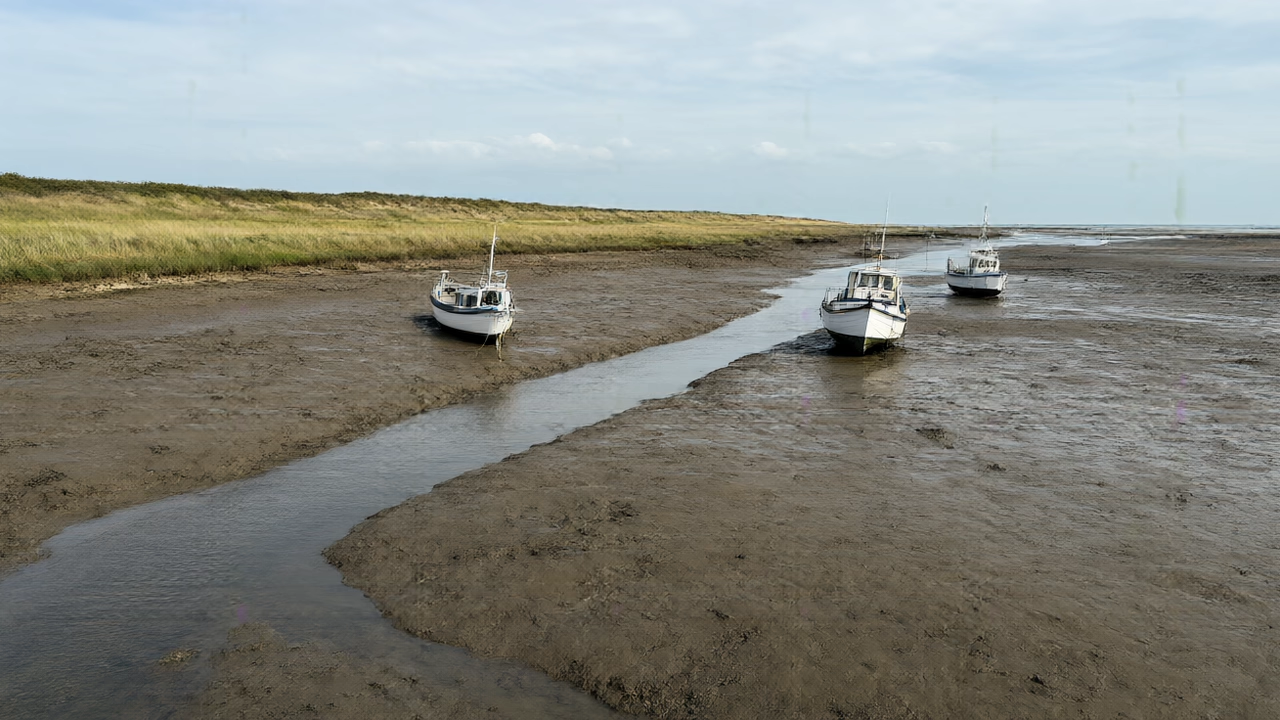
Why Do Ocean Tides Rise and Fall?
Explain why ocean levels rise and fall, why the Moon is the main tidal influence, how the Sun changes tidal range, and why real coasts differ from a simple two-bulge model.
Skill: Use a causal model to connect gravity, Earth’s rotation and coastal geography to observed tide patterns
Why Can You See Your Breath in Cold Air?
Explain why warm, moist breath can form a visible cloud in cold air, why water vapour itself is invisible, and how temperature and humidity affect condensation.
Skill: Use cause-and-effect evidence to explain condensation and distinguish invisible water vapour from visible droplets
Why Does Canada Have More Than One Time Zone?
Explain why Canada uses several time zones, how longitude changes local solar time, why zone boundaries are practical rather than perfectly straight, and why daylight saving time is a separate rule.
Skill: Use cause-and-effect and map evidence to explain why one country uses several standard times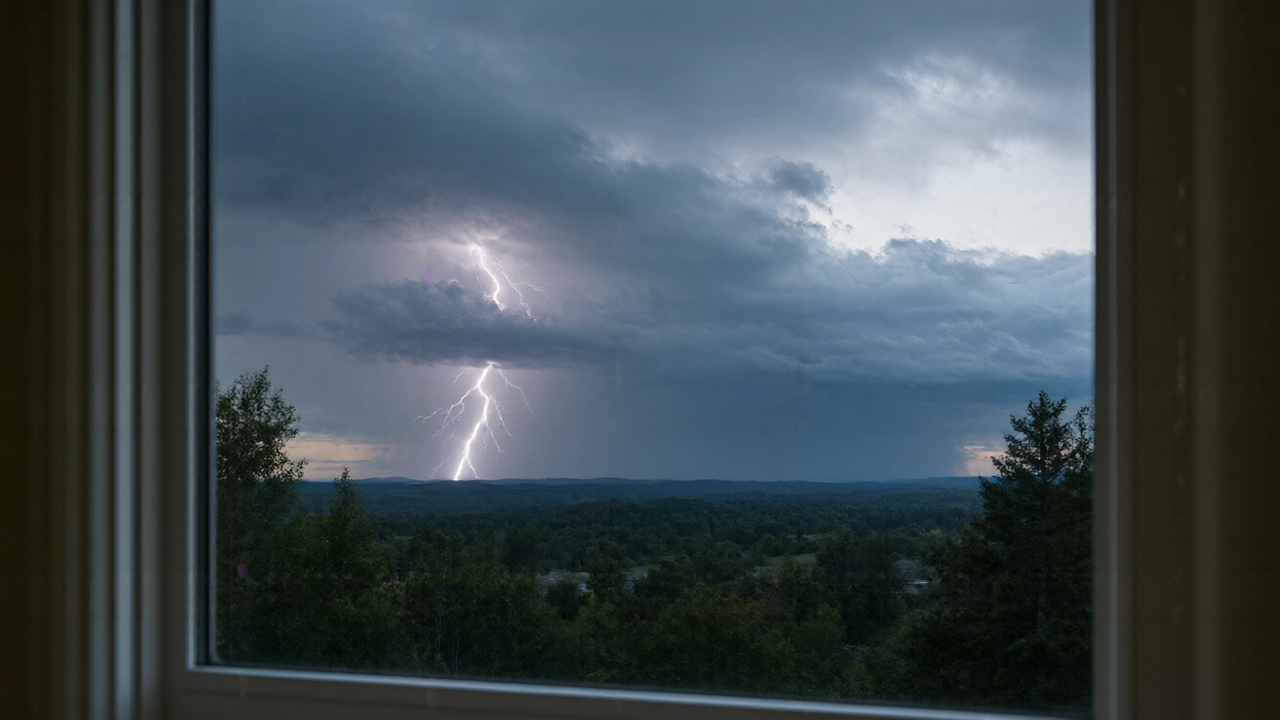
Why Do We See Lightning Before We Hear Thunder?
Explain why a lightning flash reaches your eyes before thunder reaches your ears, how thunder forms, why it can rumble, and how the flash-to-thunder delay gives only an approximate distance.
Skill: Use cause-and-effect and timing evidence to compare how light and sound reach an observer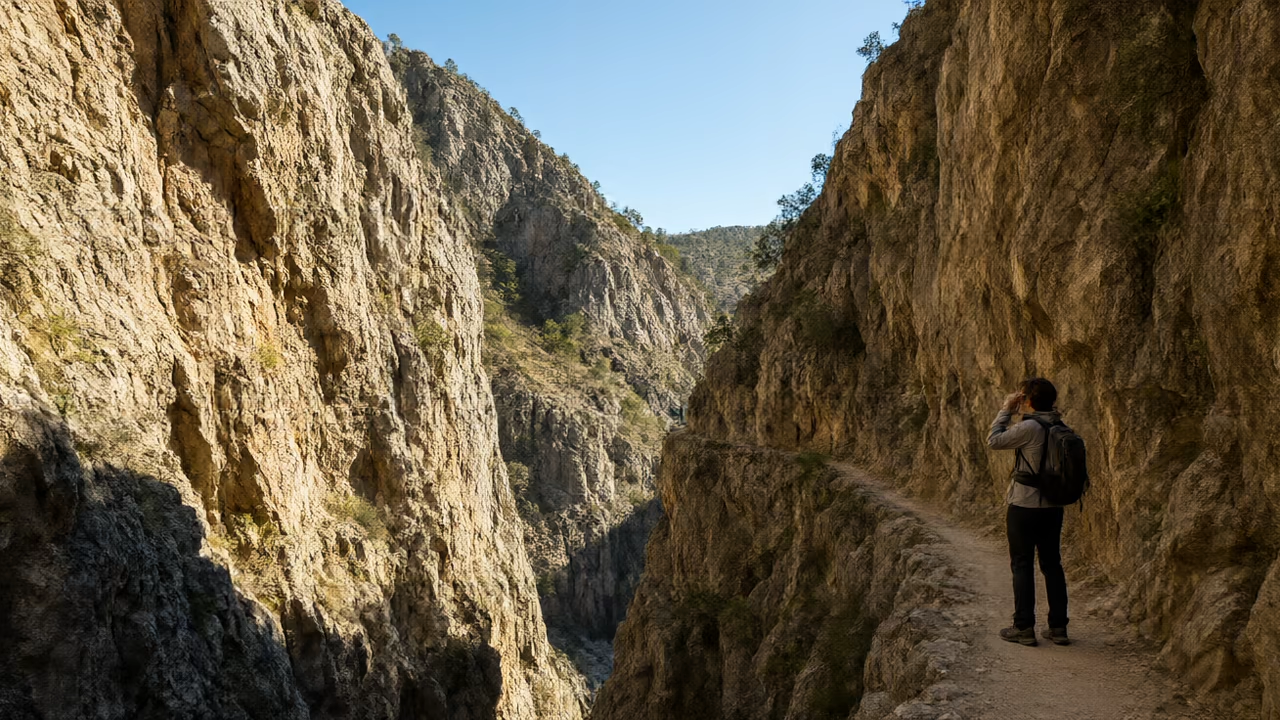
Why Does an Echo Come Back?
Explain why an echo is a reflected sound, why hard distant surfaces make echoes easier to hear, and how travel time connects distance to the delay between the original sound and its return.
Skill: Integrate explanatory text and timing evidence to explain reflected sound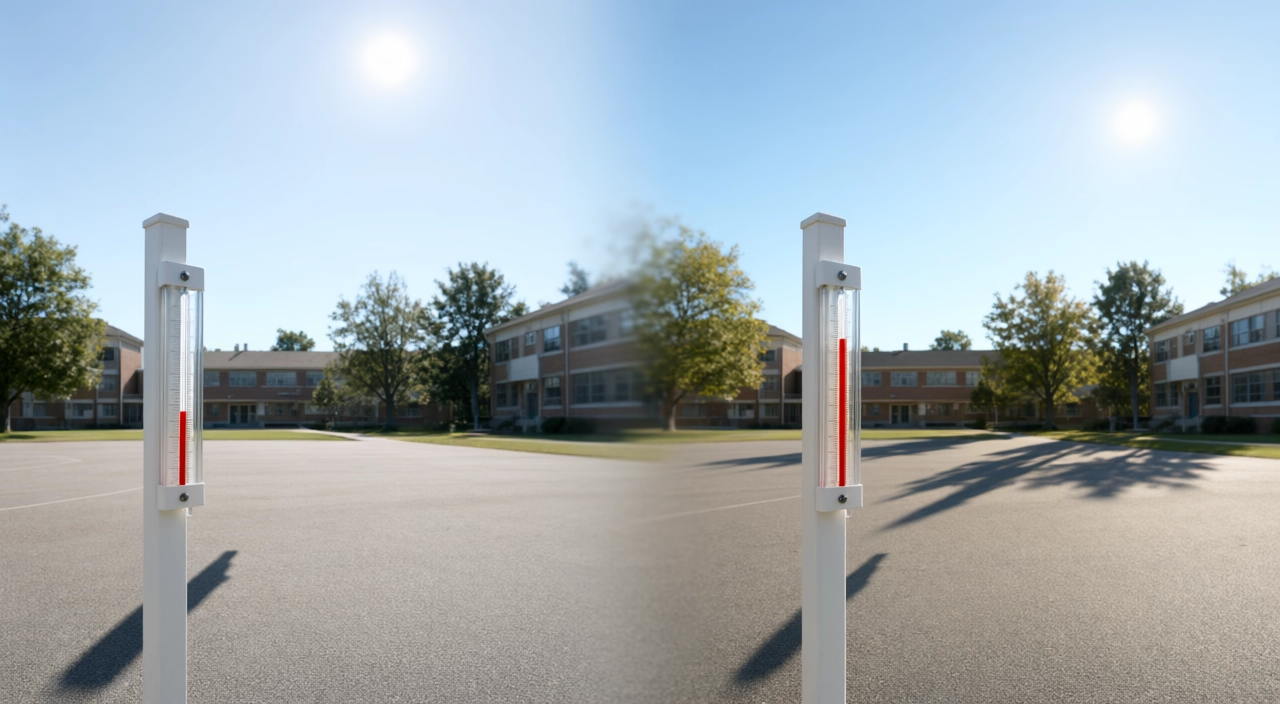
Why Is the Afternoon Often Warmer Than Noon?
Combine a weather explanation with an illustrative line graph to explain why the warmest part of a clear day can occur after solar noon rather than exactly when sunlight is strongest.
Skill: Integrate text and line-graph evidence to explain a pattern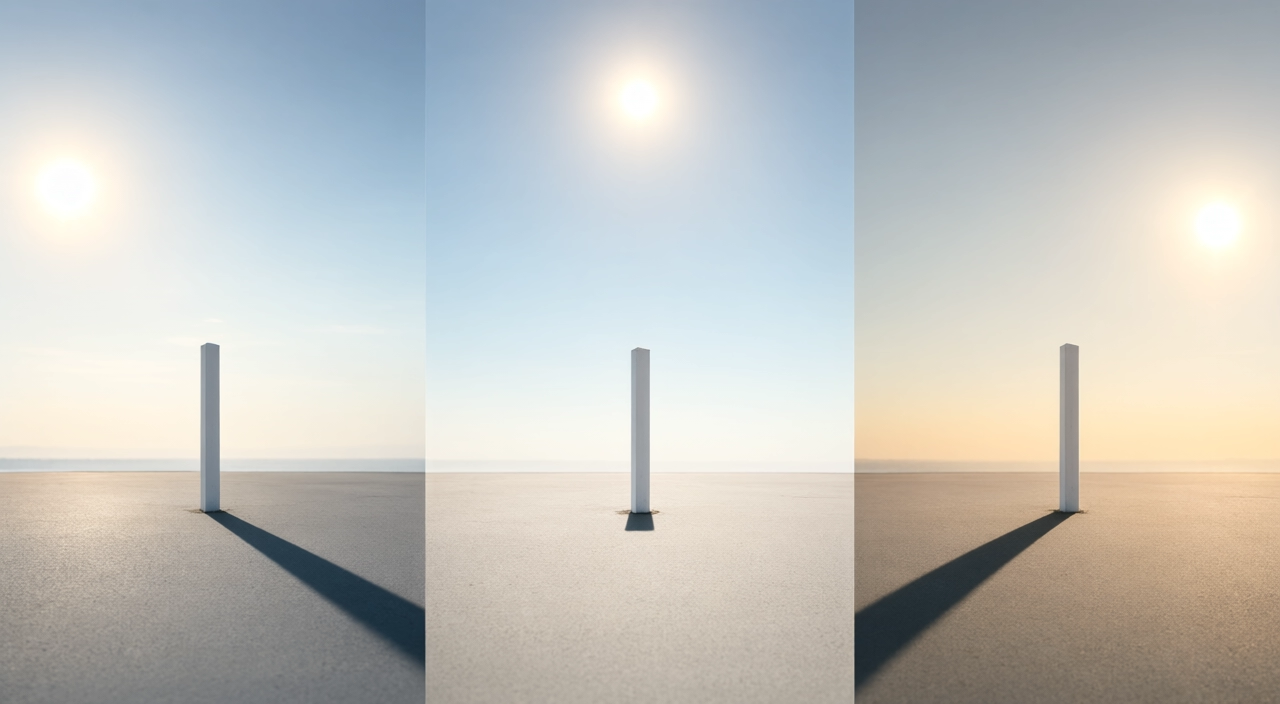
Why Do Shadows Change Length During the Day?
Combine an explanation of the Sun’s apparent daily path with an illustrative shadow-length table to explain why a fixed object can cast different shadows through one day.
Skill: Integrate text and table evidence to explain a pattern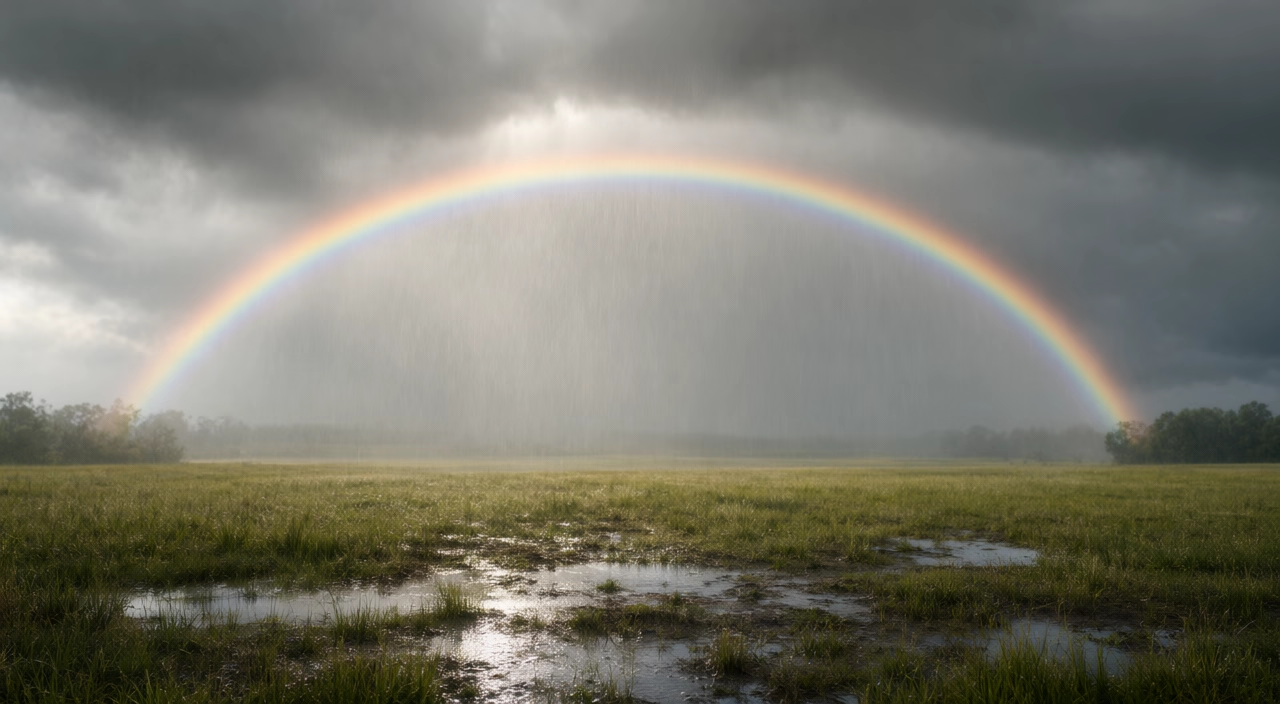
How Does a Rainbow Form?
Follow sunlight through a raindrop and combine prose with a process diagram to explain refraction, internal reflection, colour separation and why the Sun must be behind the observer.
Skill: Integrate text and diagram evidence to explain a process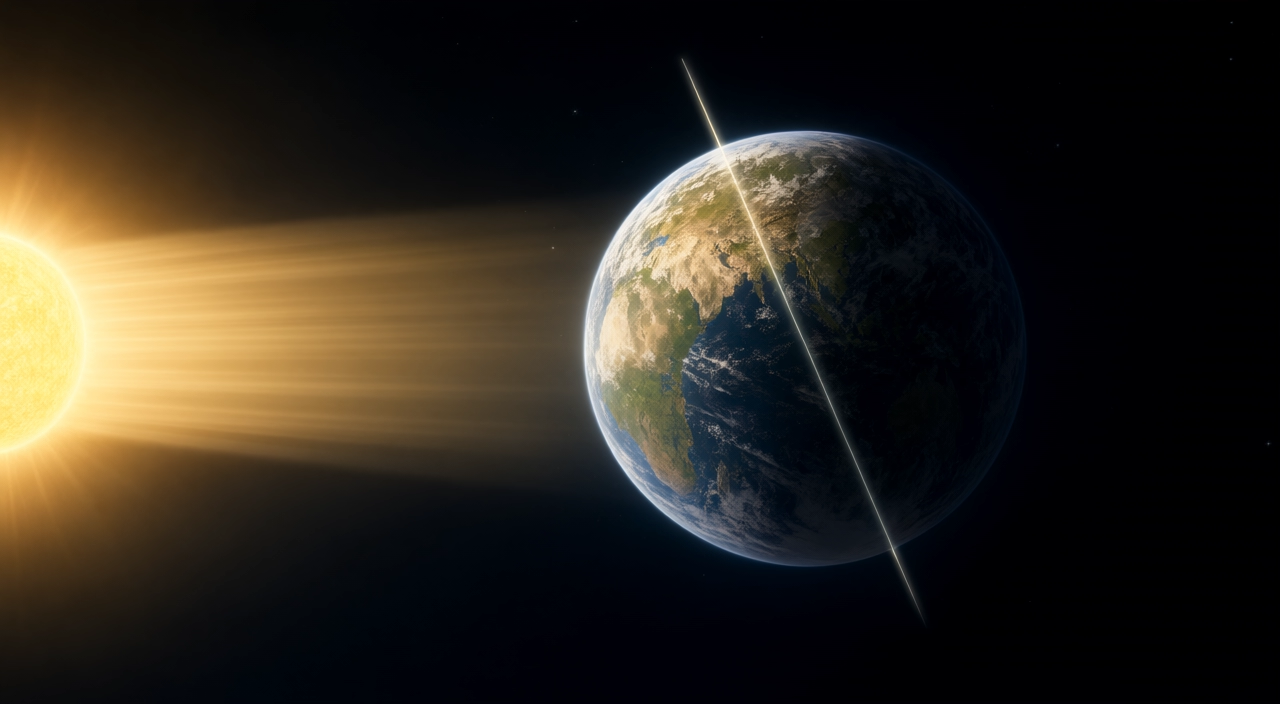
Why Does Earth Have Seasons?
Summer and winter are not caused by Earth simply moving closer to or farther from the Sun. Compare two explanations and use sunlight angle, daylight length and opposite hemispheres as evidence.
Skill: Compare competing explanations with evidence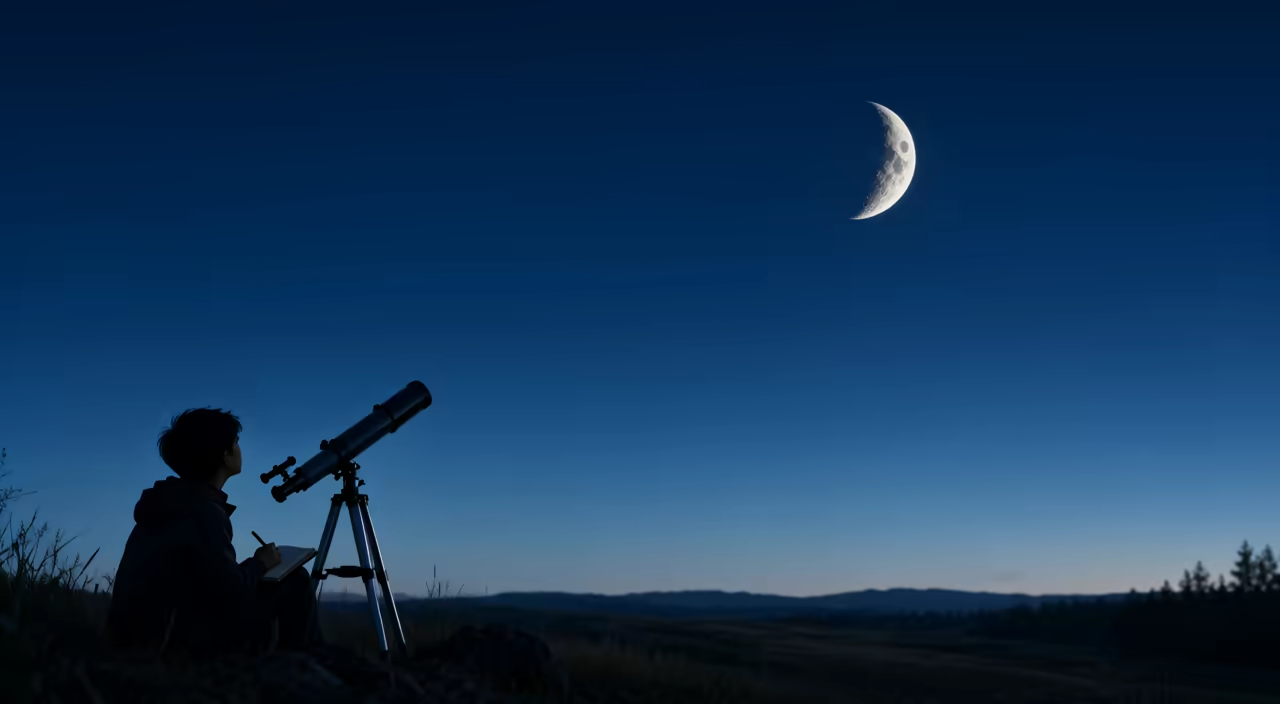
Why Does the Moon Seem to Change Shape?
Use Moon phases to practise a key reading skill: separate what you observe from the model that explains it, then connect changing geometry to a repeating sequence.
Skill: Connect observation to a scientific model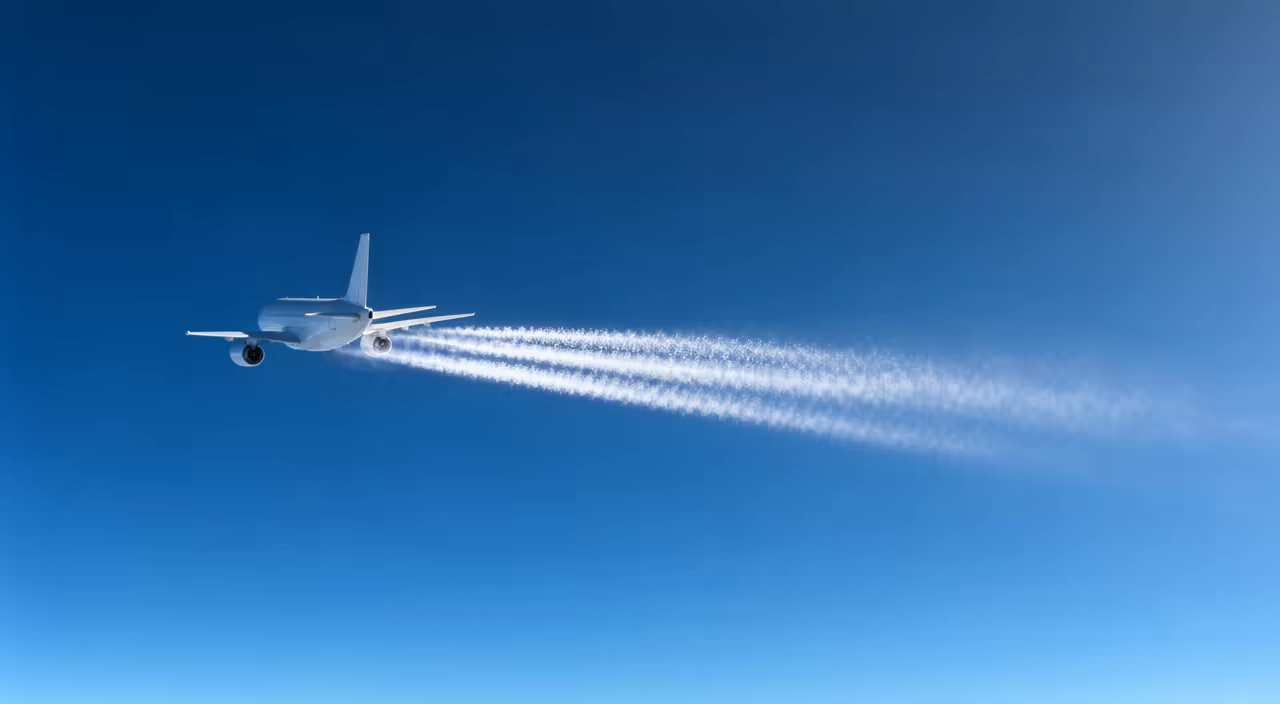
Why Do Airplanes Leave White Trails?
Follow a white aircraft trail from hot, moist exhaust to condensation, freezing and an ice-crystal cloud, then explain why some contrails vanish quickly while others persist.
Skill: Trace a cause-and-effect chain
Why Does the Sky Turn Red at Sunset?
Build one explanation from several sources: why daylight skies look blue, why sunsets often look orange or red, and how models and extra details fit the shared mechanism.
Skill: Synthesize across sources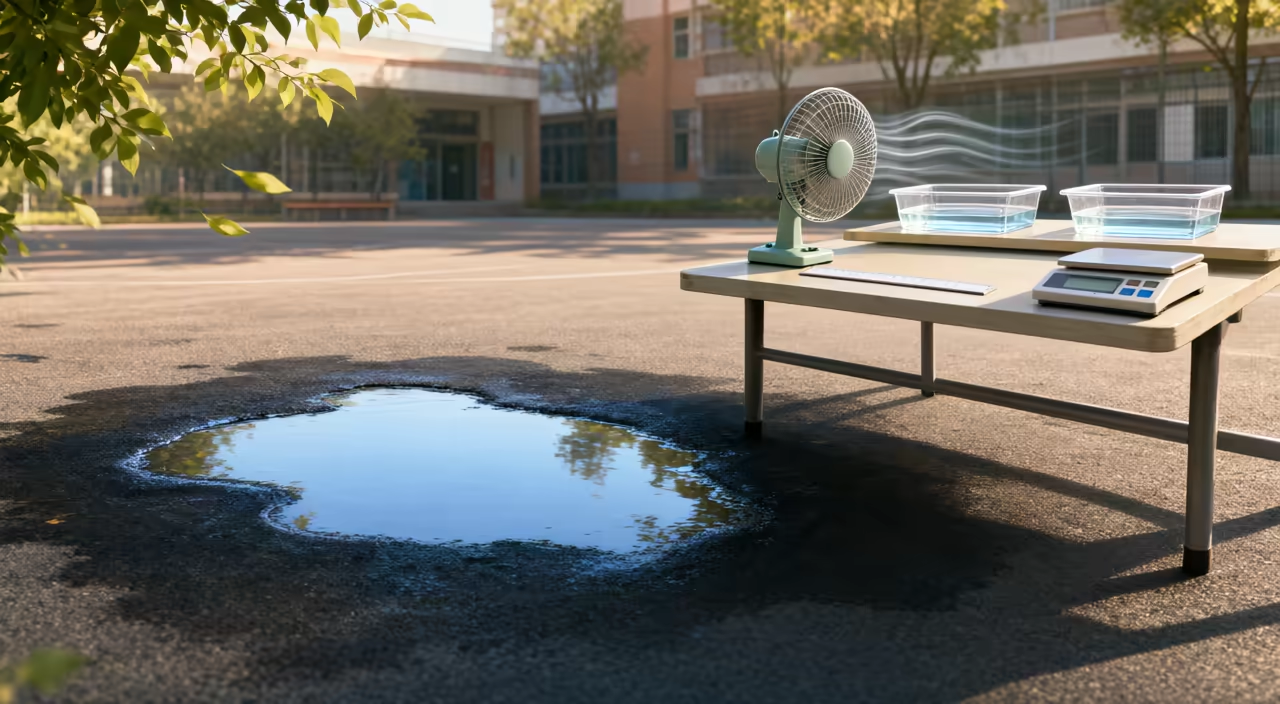
Where Did the Puddle Go?
A shrinking puddle becomes an evidence lesson: learn what evaporation is, which conditions can change its rate, and how a fair comparison can separate a plausible explanation from a weak guess.
Skill: Reasoning and evidence quality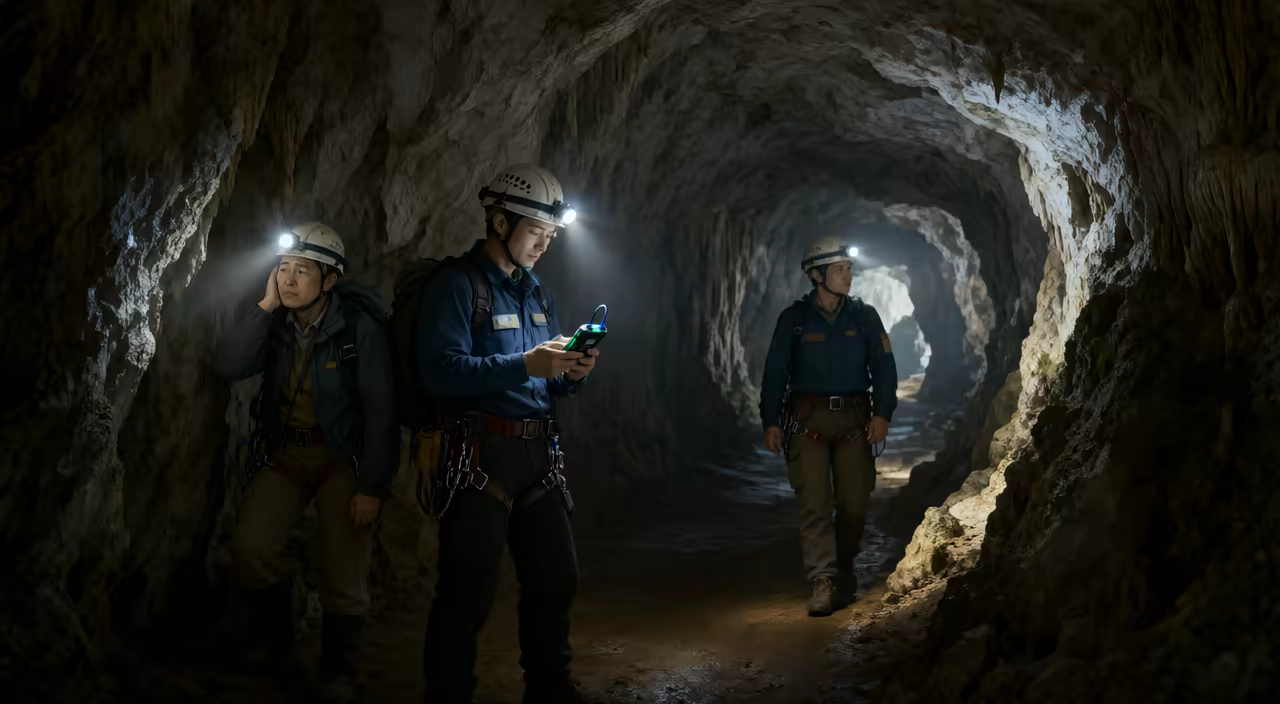
The Cave That Made Everyone Sleepy
A spooky cave story turns into an evidence lesson about invisible air hazards, low oxygen, carbon dioxide, ventilation and why a feeling is not the same as a measured fact.
Skill: Fact, inference, claim and evidence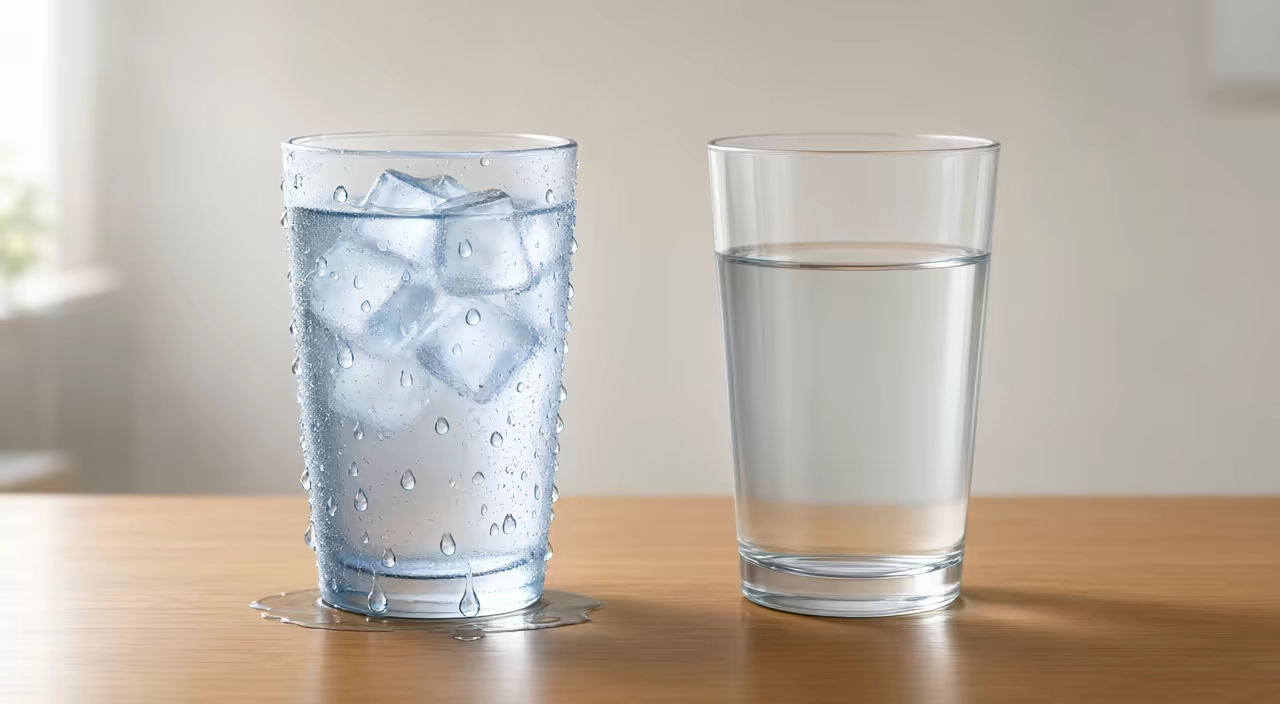
Why Does a Cold Drink Get Wet on the Outside?
A cold cup can become covered with water even when it is not leaking. Follow the evidence from invisible water vapour to visible drops and learn how dew point helps explain the change.
Skill: Cause-and-effect chain and evidence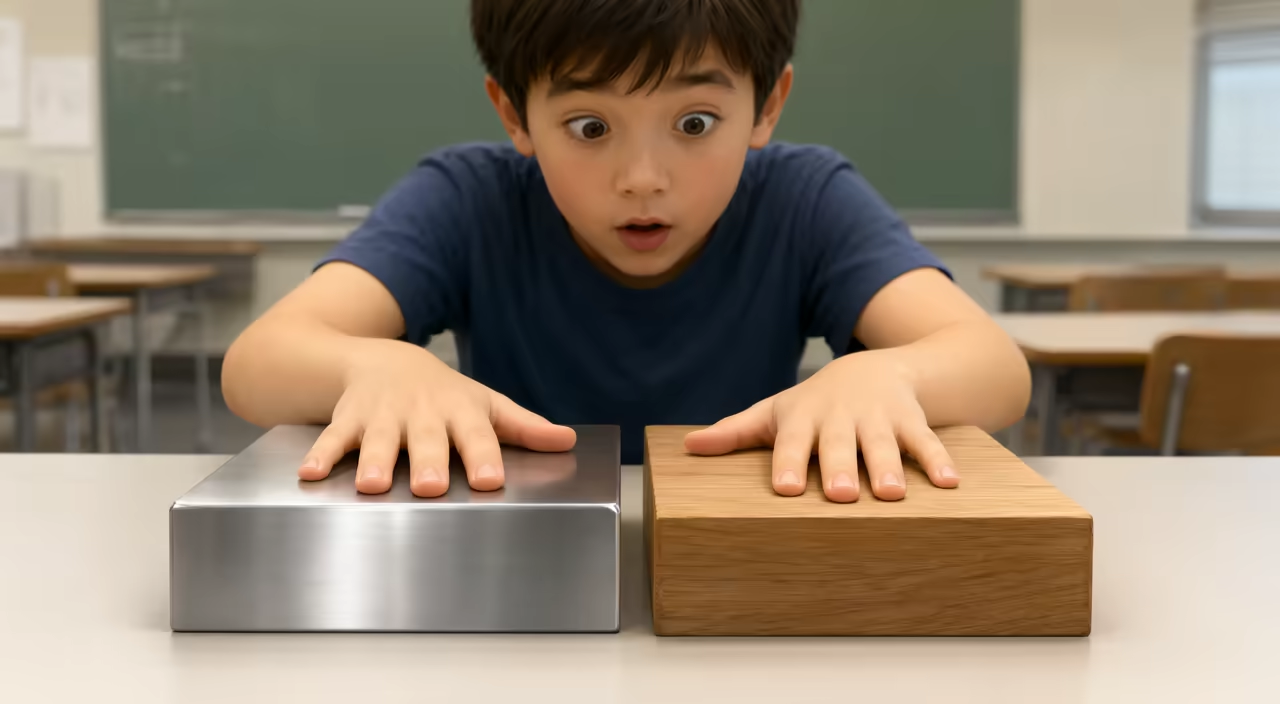
Why Does Metal Feel Colder Than Wood?
Metal and wood can sit in the same room at the same temperature yet feel very different. The reason is heat transfer, not a hidden temperature difference.
Skill: Compare, contrast and causal explanation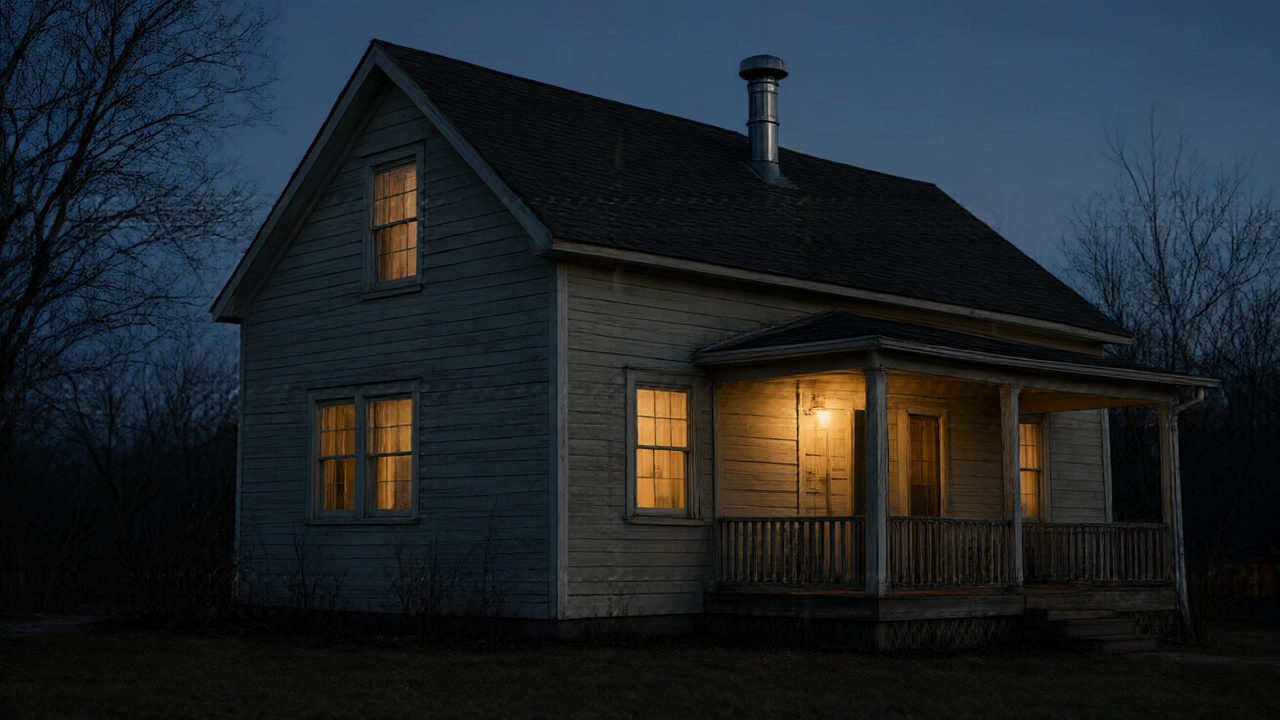
The House That Knocked Back
A creepy midnight house story turns into a science investigation of moving building materials, plumbing bangs, attic wildlife and the quiet danger of carbon monoxide.
Skill: Text structure: suspense to explanation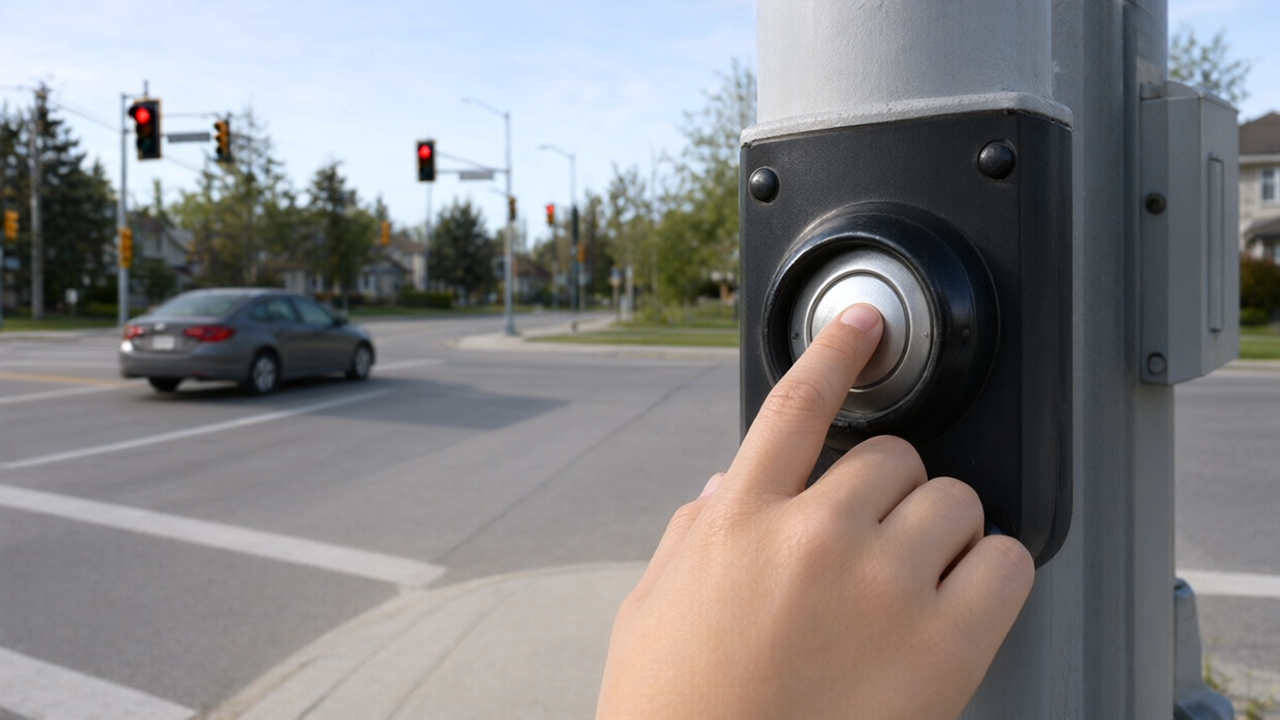
How Does a Traffic Light Know When to Change?
Look inside a signalized intersection to see how detectors, push buttons and controllers work while using word families and suffixes to unlock technical vocabulary.
Skill: Vocabulary and morphology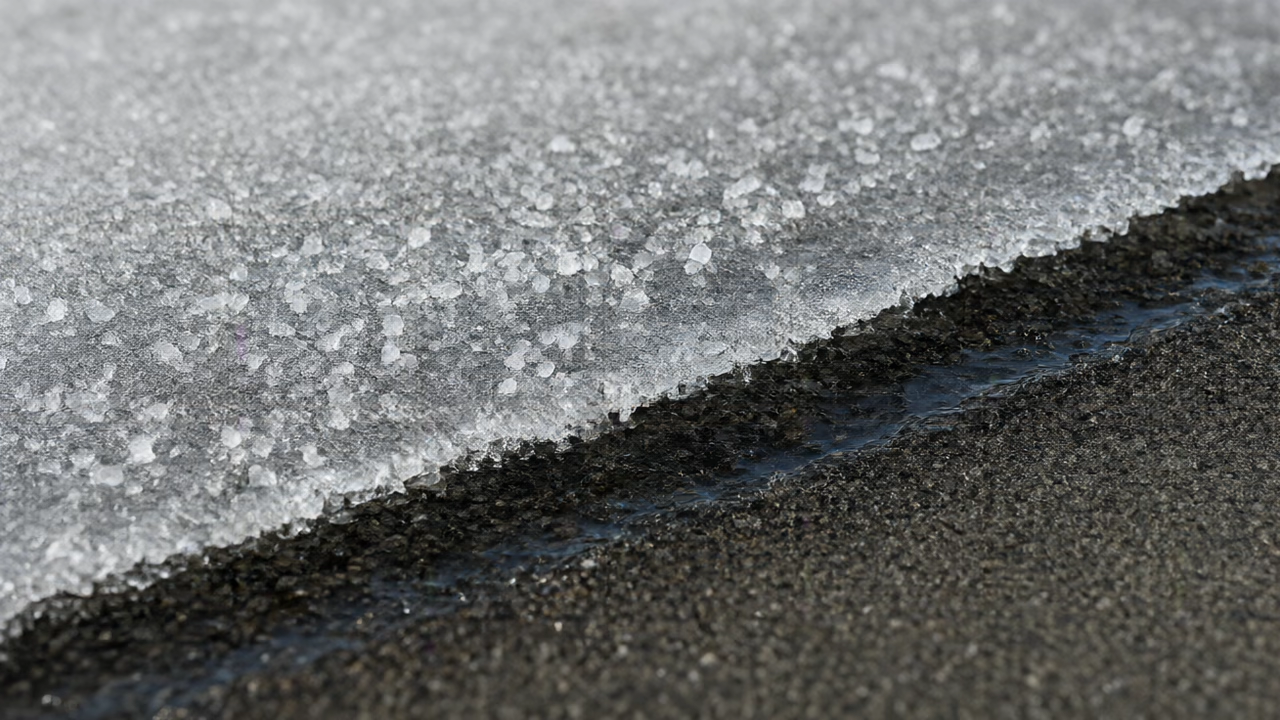
Why Does Road Salt Help Melt Ice?
Learn why dissolved road salt lowers water's freezing point while using prefixes, suffixes, base words and context to unlock winter-science vocabulary.
Skill: Vocabulary and morphology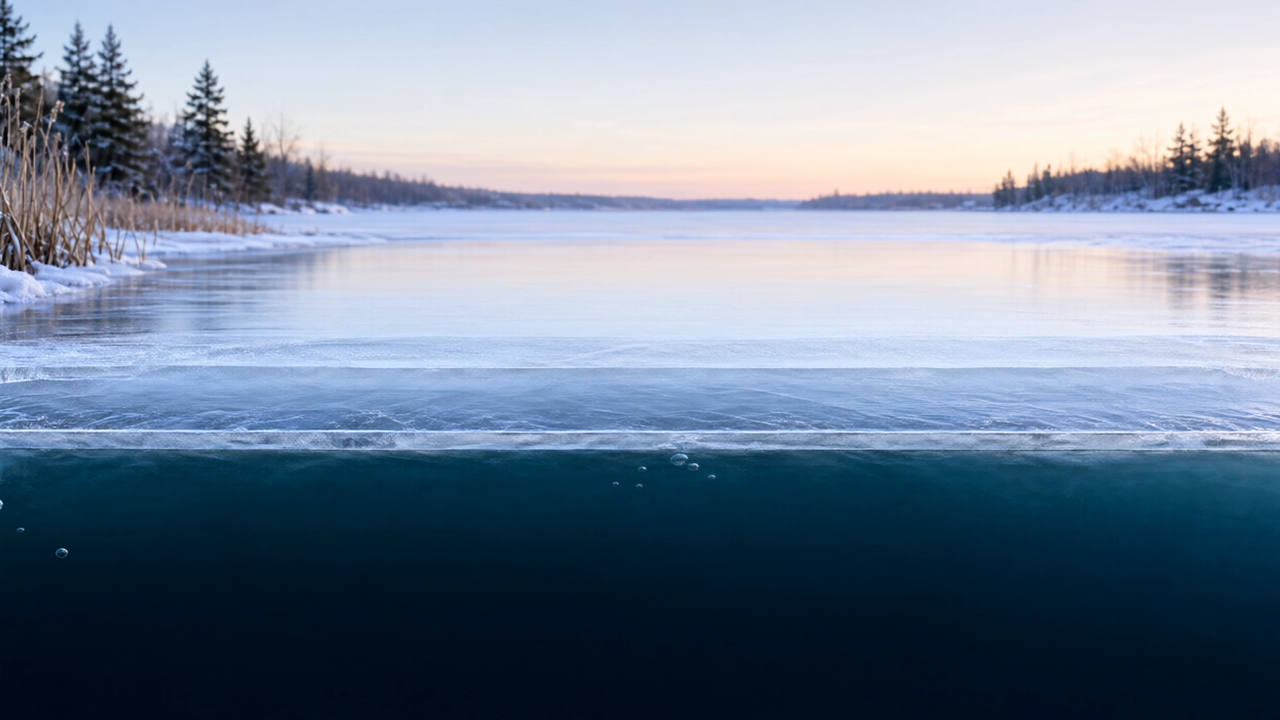
Why Do Lakes Freeze From the Top?
Follow the unusual density behaviour of freshwater to explain why lake ice forms at the surface, while practising careful inferences and certainty words.
Skill: Inference and degrees of certainty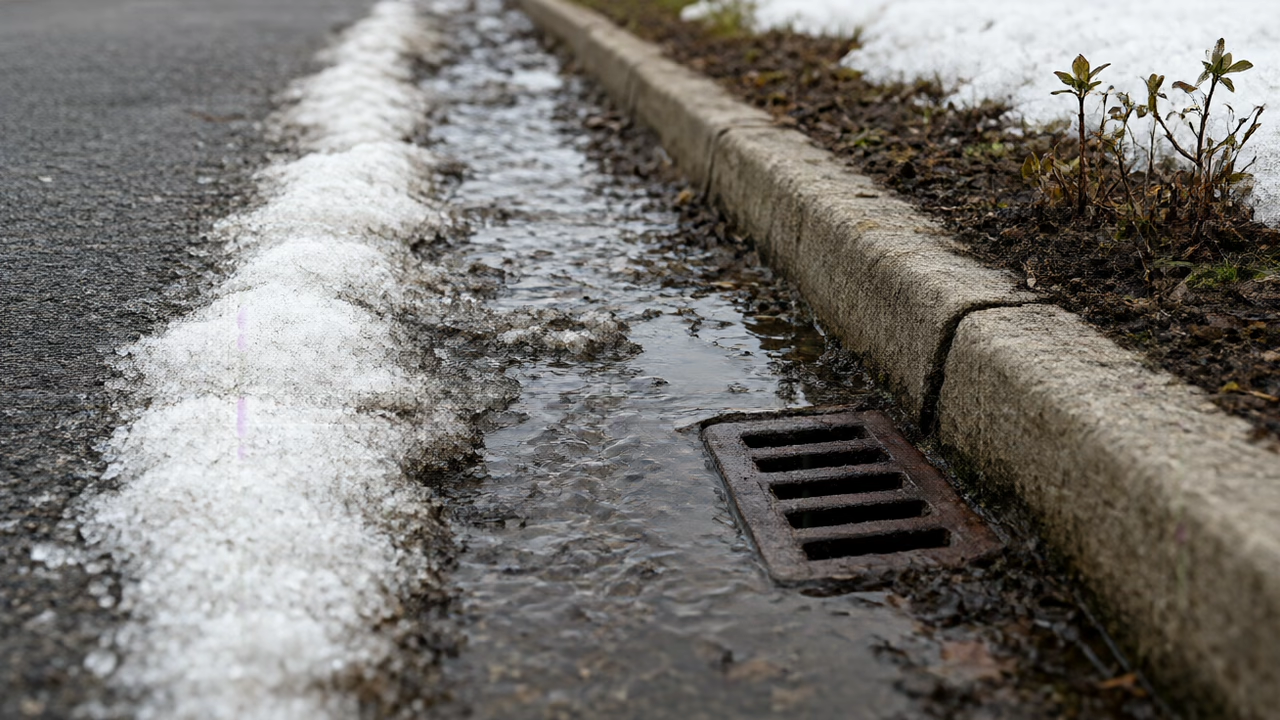
Where Does Road Salt Go After the Snow Melts?
Road salt helps winter travel, but dissolved salt can move from roads into soil and water. Practise concise summaries and choosing evidence that supports a claim.
Skill: Summary and supporting evidence
From Lake Ontario to Your Tap: Find the Main Idea
Follow Durham Region surface water from Lake Ontario through treatment, distribution and monitoring while learning to separate a whole-text main idea from details that are merely true.
Skill: Main idea and supporting details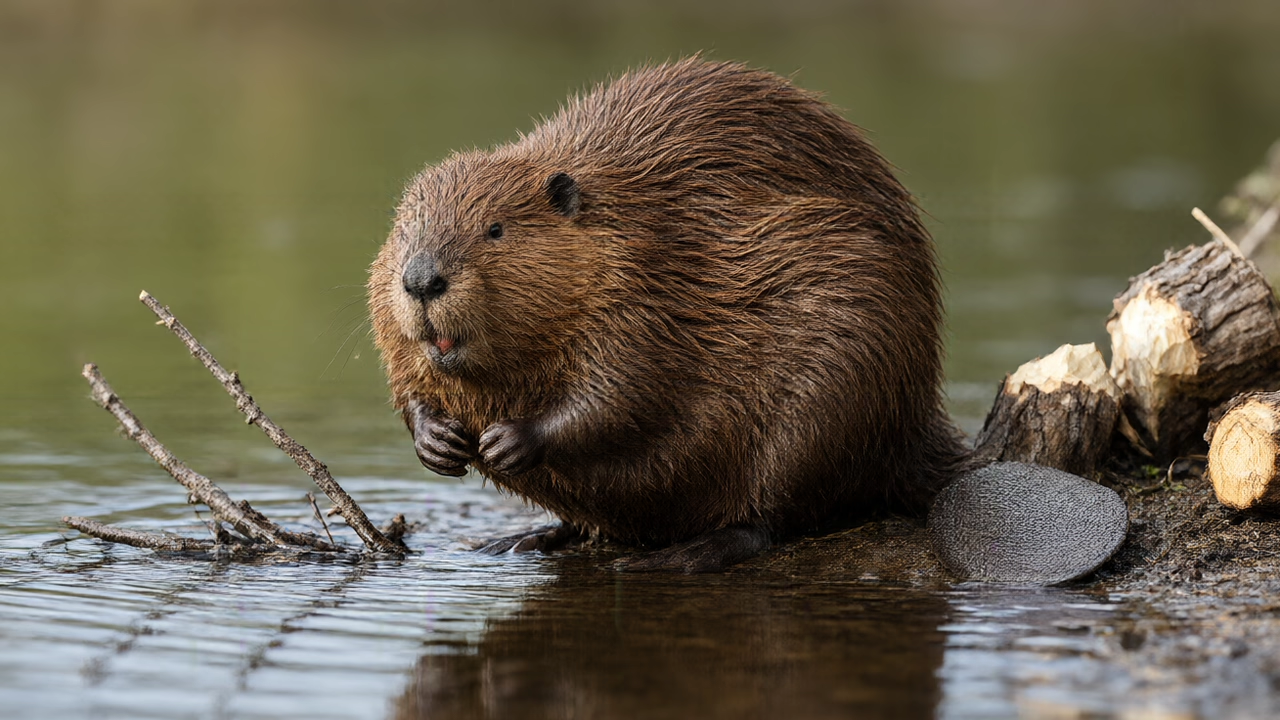
Why Is There a Beaver on Canada’s 5-Cent Coin?
The beaver arrived on Canada’s 5-cent coin decades before it became an official national symbol. Follow the dates and see what the coin can—and cannot—tell us.
Skill: Evidence and inference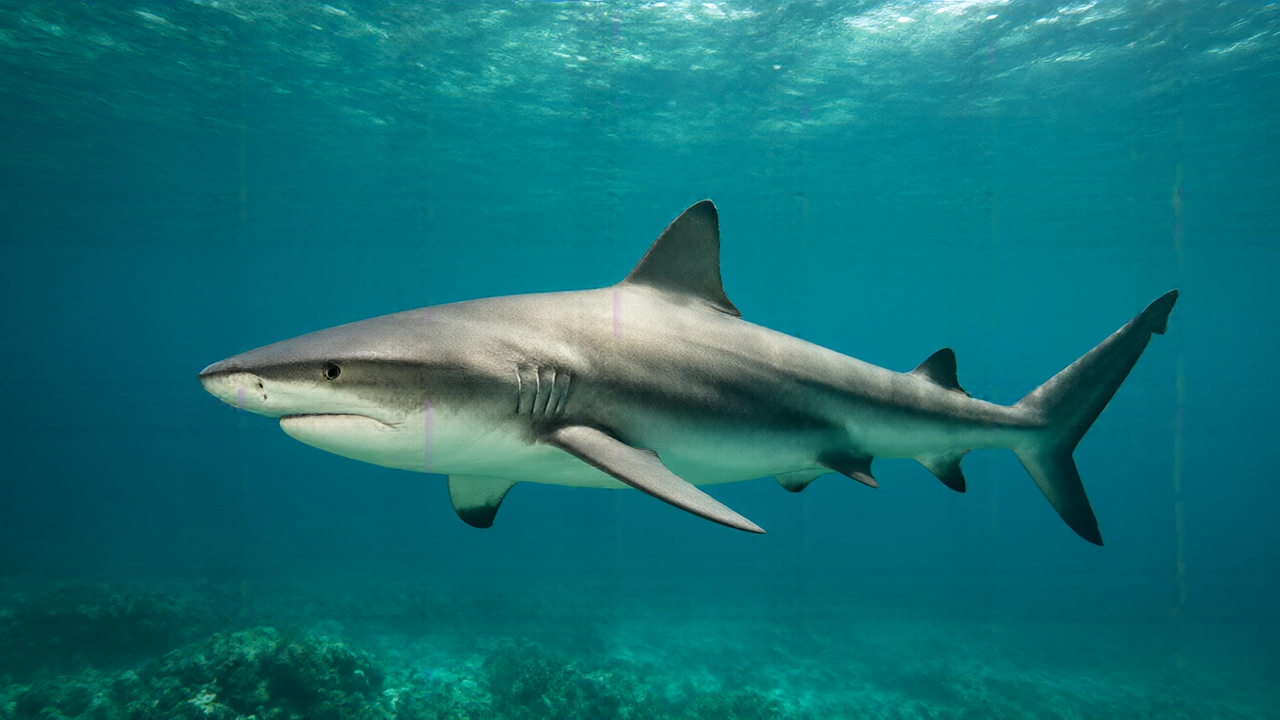
Why Don’t Sharks Sink?
Some sharks do sink when they stop. Find out how oil, cartilage and movement help them stay at depth.
Skill: Cause and effect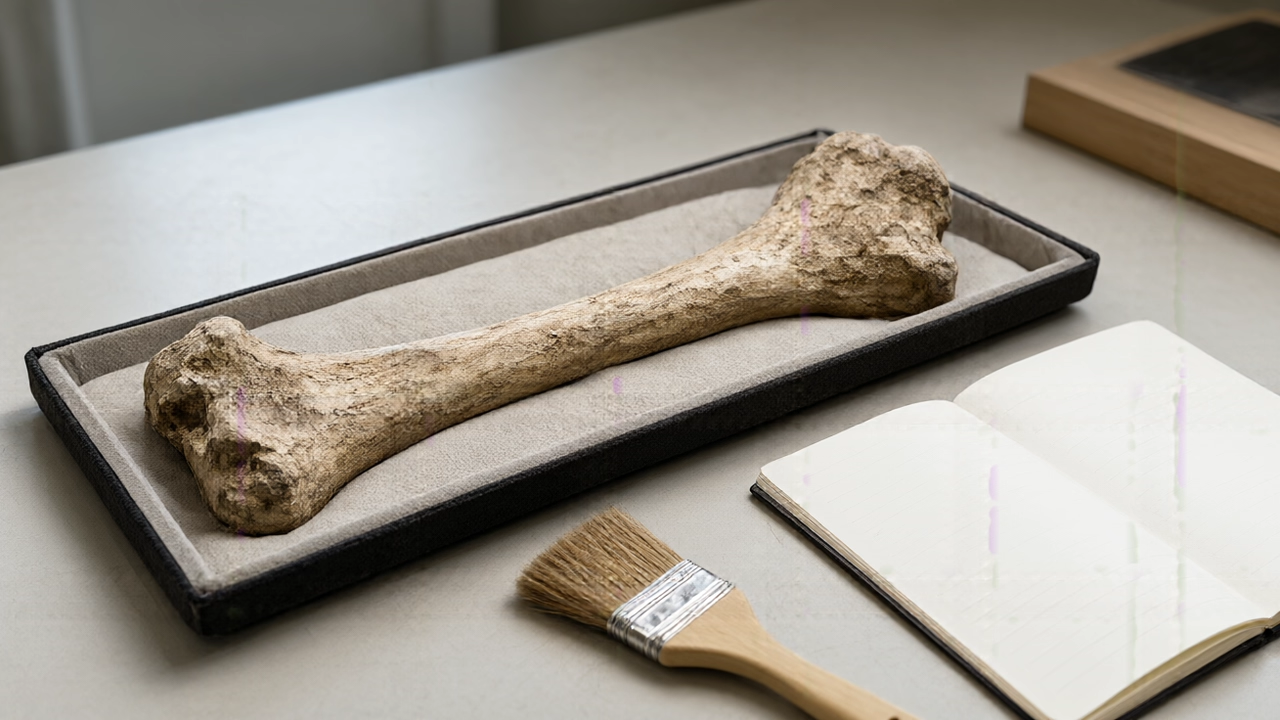
How Can Scientists Tell How Old a Dinosaur Was?
A fossil bone can hold growth clues, but counting its lines is not the same as reading a birthday.
Skill: Data and evidence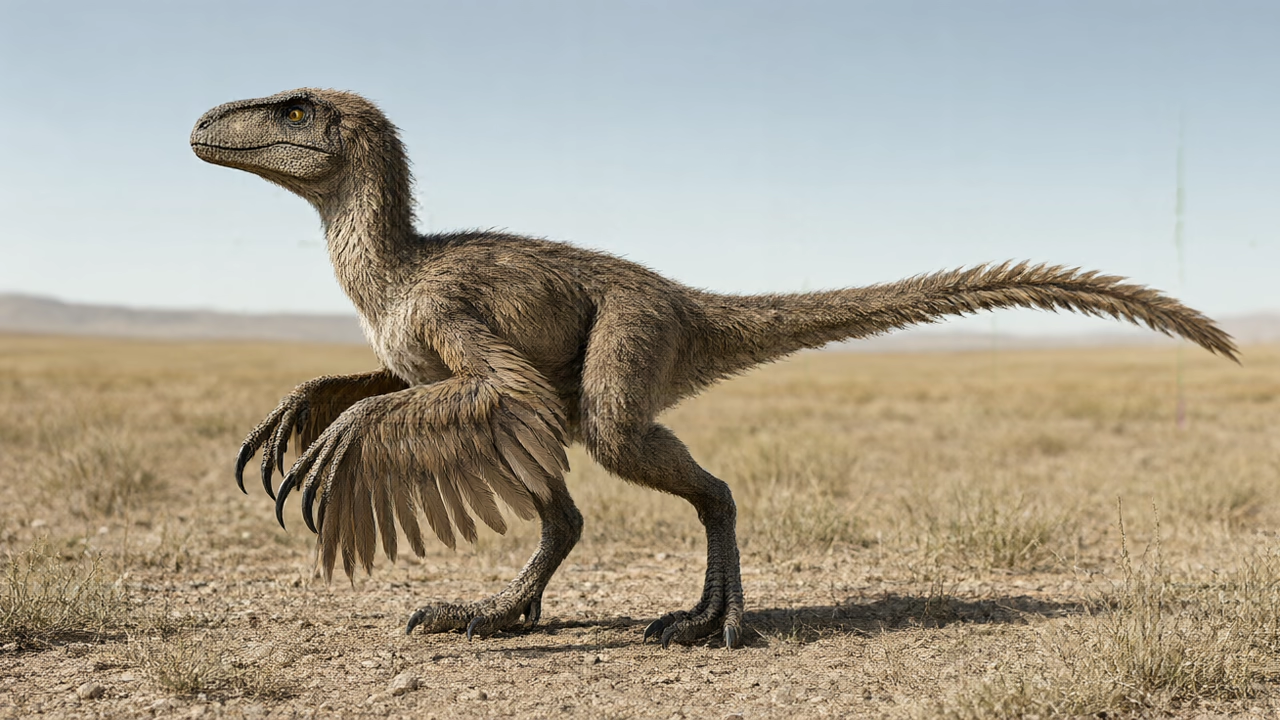
Did Velociraptor Really Have Feathers?
Small bumps on a fossil forearm provide a clue—but not a complete picture of the dinosaur.
Skill: Inference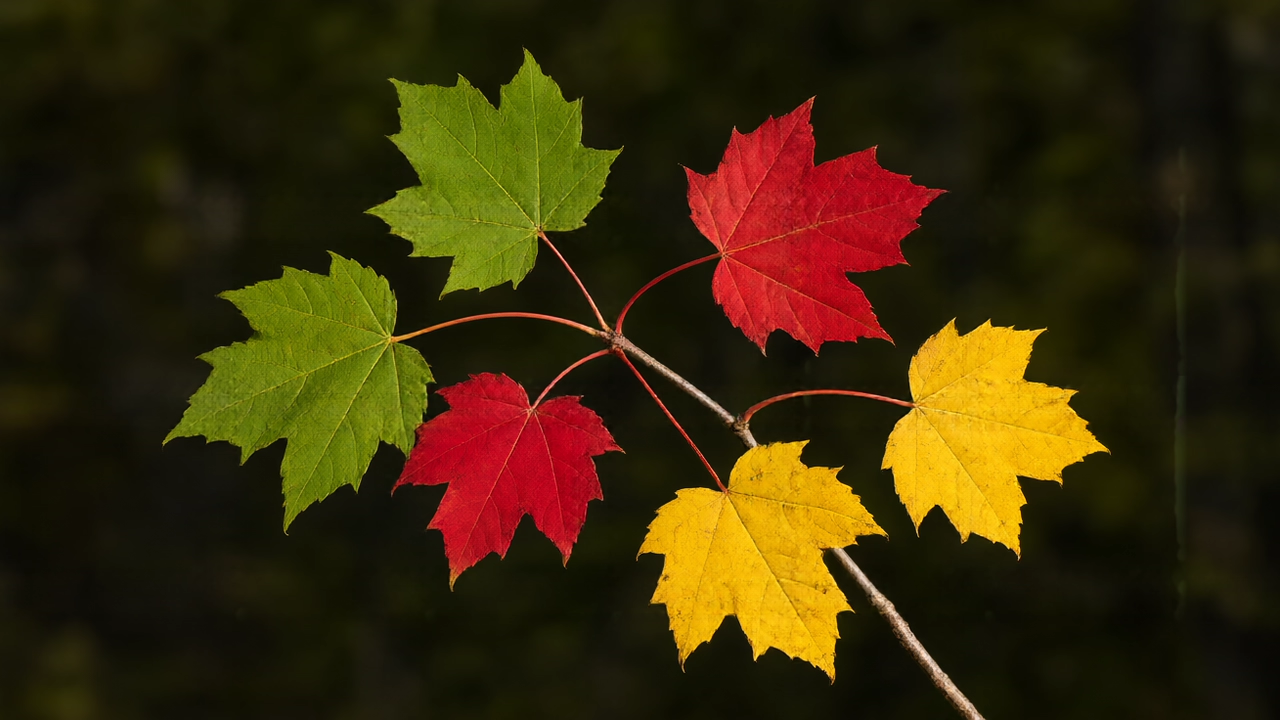
Why Do Leaves Change Colour in Autumn?
Some autumn colours were in the leaf all summer. Others can develop as the season changes.
Skill: Sequence and causeHow Do Plants Make Food? Photosynthesis in One Diagram
How do plants make food without eating? Use a labelled diagram to follow sunlight, water and carbon dioxide into sugar and oxygen, and test the idea that plants eat soil.
Skill: Use a labelled diagram together with the text to name what goes into and comes out of photosynthesis, explain why leaves look green, and check the claim that plants eat soil against evidenceWhy Does Canada Use Celsius and Kilometres? The Metric Switch
Learn when Canadian weather reports, road signs and gas pumps changed to metric units, why it happened in stages, and what is still measured the old way.
Skill: Follow a change over time: order events in a timeline, find causes and examples, and tell what changed from what stayed the sameShort Story: The Sap Run
An original story about a sap run and a stuck tractor. Find the problem, climax and resolution, and map the plot step by step.
Skill: Name the problem, rising action, climax and resolution of a story, put events in order, and explain how each part leads to the next